
The Best and Worst Breads at the Grocery Store
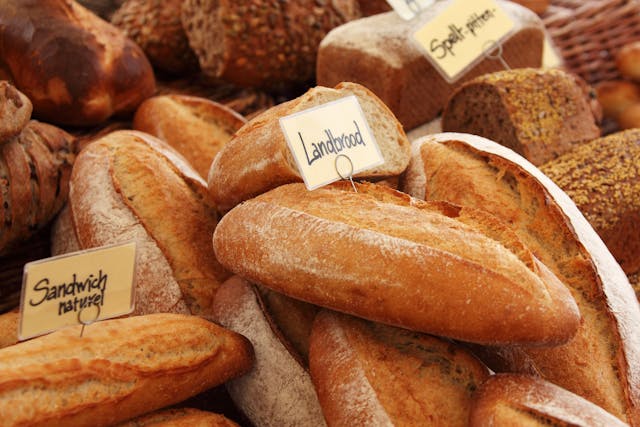
The overwhelming amount of options on bread shelves at the supermarket can make it hard to separate healthy bread from unhealthy bread. The healthiest breads are made with whole grains, high in fiber, low in added sugar, and free from unnecessary additives. But with so many brands claiming to be “whole grain,” or “heart healthy”, which ones actually stand up to their claims?
Why Bread Deserves a Place in a Healthy Diet
Carbohydrates are an essential macronutrient and your body’s primary energy source. The popularity of Keto diets in recent years has caused confusion around which carbs are good for you. Some diets have lumped whole grains in with refined carbs and encourage people to avoid all carbs in order to burn more fat. While that can work in certain diets, without carbohydrates you’re likely to have lower energy levels and trouble concentrating. The problem isn’t with carbohydrates themselves, but the type of carbs you eat.
Refined carbs are quickly digested and absorbed, leading to blood sugar spikes and energy crashes. These carbs are commonly found in processed foods, and should be limited in most diets.
Complex carbohydrates digest more slowly. This results in a steadier release of energy, longer-lasting fullness, and better blood sugar control. You’ll find these in whole-grain breads, and they are a staple of the Mediterranean diet.
According to health.com, “People who follow diets high in complex carbs rich in fiber tend to have lower rates of a number of chronic diseases including heart disease and colon cancer.”
In addition to complex carbs, healthy breads provide dietary fiber, supporting your digestive health. They also contain key nutrients like iron, magnesium, zinc, and B vitamins that are often stripped away in refined versions.
What Makes Some Bread Unhealthy?
Many breads are stripped of their nutritional value during processing. White bread, for example, is made with refined flour that has had the bran and germ removed, reducing the nutritional value.
Even some wheat breads are primarily made from white flour, with just a touch of whole grain added for color. Avoid wheat breads that have white flour as a top ingredient. These breads are still devoid of the nutrients that whole-grain breads provide.
Long ingredient lists filled with preservatives, added sugars, and dough conditioners have a longer shelf life than other breads, but lack nutritional value.
When choosing a bread at the store, look for whole-grain as the first ingredient, and avoid breads that have an overly long ingredient list, since those are typically filled with additives and preservatives.
The Healthiest Types of Bread
Whole-Grain Bread
Whole-grain bread is made from grains that include all three parts: the bran, germ, and endosperm. Enriched flour removes the bran and germ, and replaces their nutrients using longer-lasting chemicals like riboflavin and niacin. This preserves fiber, vitamins, and minerals. Whole grains help lower cholesterol, regulate blood sugar, and support digestion. They’re also rich in antioxidants and plant compounds that promote long-term health.
What to look for: Check that the label says “100% whole grain” or “100% whole wheat.” Look for at least 3 grams of fiber per slice and avoid terms like “wheat flour” or “enriched flour,” which indicate refined grains.
Sprouted Bread
Sprouted bread is made from whole grains that have been soaked and allowed to sprout before baking. Sprouting can increase fiber content and make nutrients more digestible. According to Dr. Axe, “the sprouting process produces more nutrients, and these breads often contain several types of grains and legumes that provide macronutrients and micronutrients”. Sprouted breads contain many of the same nutrients as whole-grain breads, but in different proportions.
Sprouting makes nutrients like B vitamins, iron, and magnesium more bioavailable. Some studies have indicated that sprouted seeds allow your body to digest more nutrients than typical whole-grains. It can also reduce the bread’s glycemic index and improve gut health.
What to look for: Look for breads labeled “Ezekiel”. Look for “sprouted whole grains” as the first ingredient and minimal added sugar. These breads are usually found in the refrigerated or freezer section of the supermarket, since they do not last long on the shelf, due to their lack of preservatives.
Seeded Bread
Seeded bread includes seeds such as flax, sunflower, sesame, or chia, mixed into the dough or coated on the crust. While seeded breads have more calories than whole grain breads, they offer more healthy fats and a high amount of fiber.
What to look for: Choose breads where seeds appear high on the ingredient list. Some seeded breads sprinkle seeds on top, rather than mixing it with the dough. Choose a whole-grain seeded bread for maximum effect.
Sourdough Bread
Sourdough bread is made from a starter that is fermented and replaces the yeast in the baking process. This gives sourdough a distinct flavor. But that fermentation process does more than just add a chewy texture. According to the National Institute of Health, there is evidence that fermentation “improves micronutrient bioaccessibility, notably for minerals such as iron, calcium, magnesium, or zinc”. It also supports gut health by producing beneficial acids and compounds during fermentation.
What to look for: True sourdough should list just a few ingredients: flour, water, salt, and a starter. Whole-grain and rye-based sourdoughs will have the most nutritional value.
Gluten-Free Bread
Finding healthy gluten-free bread can be tricky, as they often rely on refined starches that offer few nutrients. Gluten-free breads made with whole grain flours like buckwheat, quinoa, millet, or brown rice can be rich in fiber, antioxidants, and essential minerals. They also provide many of the same benefits as whole-wheat breads, as they contain many of the same nutrients.
What to look for: Choose gluten-free breads made with whole grain flours and look for at least 2 grams of fiber per slice. Avoid brands that are high in added sugars or xanthan gum.
The healthiest breads are those made with whole, recognizable ingredients and as few additives as possible. Before tossing a loaf in your cart, take a moment to scan the ingredient list and nutrition label. You’ll see quickly which brands stand up to scrutiny, and which fill their breads with nutritionless additives.
Contributor: Alternative Daily
Carbohydrates are an essential macronutrient and your body’s primary energy source. The popularity of Keto diets in recent years has caused confusion around which carbs are good for you. Some diets have lumped whole grains in with refined carbs and encourage people to avoid all carbs in order to burn more fat. While that can work in certain diets, without carbohydrates you’re likely to have lower energy levels and trouble concentrating. The problem isn’t with carbohydrates themselves, but the type of carbs you eat.
Refined carbs are quickly digested and absorbed, leading to blood sugar spikes and energy crashes. These carbs are commonly found in processed foods, and should be limited in most diets.
Complex carbohydrates digest more slowly. This results in a steadier release of energy, longer-lasting fullness, and better blood sugar control. You’ll find these in whole-grain breads, and they are a staple of the Mediterranean diet.
According to health.com, “People who follow diets high in complex carbs rich in fiber tend to have lower rates of a number of chronic diseases including heart disease and colon cancer.”
In addition to complex carbs, healthy breads provide dietary fiber, supporting your digestive health. They also contain key nutrients like iron, magnesium, zinc, and B vitamins that are often stripped away in refined versions.
What Makes Some Bread Unhealthy?
Many breads are stripped of their nutritional value during processing. White bread, for example, is made with refined flour that has had the bran and germ removed, reducing the nutritional value.
Even some wheat breads are primarily made from white flour, with just a touch of whole grain added for color. Avoid wheat breads that have white flour as a top ingredient. These breads are still devoid of the nutrients that whole-grain breads provide.
Long ingredient lists filled with preservatives, added sugars, and dough conditioners have a longer shelf life than other breads, but lack nutritional value.
When choosing a bread at the store, look for whole-grain as the first ingredient, and avoid breads that have an overly long ingredient list, since those are typically filled with additives and preservatives.
The Healthiest Types of Bread
Whole-Grain Bread
Whole-grain bread is made from grains that include all three parts: the bran, germ, and endosperm. Enriched flour removes the bran and germ, and replaces their nutrients using longer-lasting chemicals like riboflavin and niacin. This preserves fiber, vitamins, and minerals. Whole grains help lower cholesterol, regulate blood sugar, and support digestion. They’re also rich in antioxidants and plant compounds that promote long-term health.
What to look for: Check that the label says “100% whole grain” or “100% whole wheat.” Look for at least 3 grams of fiber per slice and avoid terms like “wheat flour” or “enriched flour,” which indicate refined grains.
Sprouted Bread
Sprouted bread is made from whole grains that have been soaked and allowed to sprout before baking. Sprouting can increase fiber content and make nutrients more digestible. According to Dr. Axe, “the sprouting process produces more nutrients, and these breads often contain several types of grains and legumes that provide macronutrients and micronutrients”. Sprouted breads contain many of the same nutrients as whole-grain breads, but in different proportions.
Sprouting makes nutrients like B vitamins, iron, and magnesium more bioavailable. Some studies have indicated that sprouted seeds allow your body to digest more nutrients than typical whole-grains. It can also reduce the bread’s glycemic index and improve gut health.
What to look for: Look for breads labeled “Ezekiel”. Look for “sprouted whole grains” as the first ingredient and minimal added sugar. These breads are usually found in the refrigerated or freezer section of the supermarket, since they do not last long on the shelf, due to their lack of preservatives.
Seeded Bread
Seeded bread includes seeds such as flax, sunflower, sesame, or chia, mixed into the dough or coated on the crust. While seeded breads have more calories than whole grain breads, they offer more healthy fats and a high amount of fiber.
What to look for: Choose breads where seeds appear high on the ingredient list. Some seeded breads sprinkle seeds on top, rather than mixing it with the dough. Choose a whole-grain seeded bread for maximum effect.
Sourdough Bread
Sourdough bread is made from a starter that is fermented and replaces the yeast in the baking process. This gives sourdough a distinct flavor. But that fermentation process does more than just add a chewy texture. According to the National Institute of Health, there is evidence that fermentation “improves micronutrient bioaccessibility, notably for minerals such as iron, calcium, magnesium, or zinc”. It also supports gut health by producing beneficial acids and compounds during fermentation.
What to look for: True sourdough should list just a few ingredients: flour, water, salt, and a starter. Whole-grain and rye-based sourdoughs will have the most nutritional value.
Gluten-Free Bread
Finding healthy gluten-free bread can be tricky, as they often rely on refined starches that offer few nutrients. Gluten-free breads made with whole grain flours like buckwheat, quinoa, millet, or brown rice can be rich in fiber, antioxidants, and essential minerals. They also provide many of the same benefits as whole-wheat breads, as they contain many of the same nutrients.
What to look for: Choose gluten-free breads made with whole grain flours and look for at least 2 grams of fiber per slice. Avoid brands that are high in added sugars or xanthan gum.
The healthiest breads are those made with whole, recognizable ingredients and as few additives as possible. Before tossing a loaf in your cart, take a moment to scan the ingredient list and nutrition label. You’ll see quickly which brands stand up to scrutiny, and which fill their breads with nutritionless additives.
Contributor: Alternative Daily