Here’s a Perfect Healthy and Colorful Summer Recipe to Enjoy:

Here’s a Perfect Healthy and Colorful Summer Recipe to Enjoy:

Claremont Colonic
This raw beetroot salad is simple to put together and offers a fabulous variety of colour, textures and flavours.
Beetroots are full of fibre, vitamins and minerals and although delicious when cooked they are also fantastic eaten raw.
Beetroot Salad

Each serving provides 402 kcal, 15.2g protein, 24.7g carbohydrate (of which 23.9g sugars), 25.1g fat (of which 6.3g saturates), 8.6g fibre and 0.58g salt.

2 medium beetroots (approx. 250g/9oz), peeled and grated

1 unwaxed lemon, juice and zest

1 heaped tsp Dijon mustard

1 tbsp rapeseed or olive oil

15g/½oz fresh dill

2 small oranges, skin and pith removed, sliced into thin 0.5–1cm circles then quartered

40g/½oz skin-on almonds, roughly chopped

40g½oz watercress

125g/4½oz ricotta

salt and freshly ground black pepper

Method

1. Place the grated beetroot in a large bowl and add in the lemon zest, juice, Dijon mustard, oil and dill, season with salt and pepper and stir well.

2. Stir half of the orange pieces, half of the chopped almonds and all the watercress though the grated beetroot and divide between your serving plates.

3. Use two teaspoons to dot on the ricotta, then sprinkle over the remaining almonds and orange.

Recipe tips

Beetroots can easily stain hands and chopping boards so when preparing them I tend to wear kitchen safe gloves and grate them onto a large plate rather than a chopping board.


Contributor: Philippa Davis – BBC

FDA Greenlights First Blood Test to Help Diagnose Alzheimer’s Disease in the US

FDA Greenlights First Blood Test to Help Diagnose Alzheimer’s Disease in the US

Claremont Colonic Center
The US Food and Drug Administration has given marketing clearance to a blood test to help diagnose Alzheimer’s disease, making the test the first to get signoff to aid in the early detection of the disease in the United States.
The test, called the Lumipulse G pTau217/ß-Amyloid 1-42 Plasma Ratio, is for adults 55 and older who are showing signs and symptoms of Alzheimer’s disease, the FDA announced Friday.

It works by measuring two proteins in blood plasma: pTau217 and beta-amyloid 1-42. A ratio of those proteins tends to correlate with the occurrence or absence of amyloid plaques in the brain, which are among the hallmarks of Alzheimer’s disease. The test does not measure amyloid directly but can signal its presence.

However, there remains no current single test to diagnose Alzheimer’s disease. Doctors primarily rely on a variety of tools to diagnose the condition, which may include medical history, neurological exams, cognitive and functional evaluations, brain imaging, spinal fluid analysis and, more recently, blood tests.

The FDA said the results of the newly cleared blood test must be assessed in conjunction with other clinical information from a patient.

“Alzheimer’s disease impacts too many people, more than breast cancer and prostate cancer combined,” FDA Commissioner Dr. Martin Makary said in Friday’s announcement. “Knowing that 10% of people aged 65 and older have Alzheimer’s, and that by 2050 that number is expected to double, I am hopeful that new medical products such as this one will help patients.”

According to the FDA, the new blood test – developed by the Pennsylvania-based biotechnology company Fujirebio Diagnostics Inc. – can help increase access to Alzheimer’s disease detection and reduce reliance on positron emission tomography or PET scans, a type of imaging that can reveal amyloid plaques in the brain but can be expensive, costing thousands of dollars without insurance.

The FDA said it reviewed clinical trial data on the new blood test, involving plasma samples collected from 499 adults who were cognitively impaired. The samples were evaluated using the blood test, and the results were compared with the results from patients’ PET scans or separate testing using cerebrospinal fluid samples, such as from spinal taps.

The data showed that 91.7% of adults with positive results using the blood test had the presence of amyloid plaques confirmed by their PET scan or cerebrospinal fluid test, and 97.3% of people with negative results had a negative amyloid PET scan or cerebrospinal fluid test result, according to the FDA.

The agency added that the risks associated with the blood test are mainly the risk of a false positive or false negative test result.

A ‘new era’ of Alzheimer’s research

Preventive neurologist Dr. Richard Isaacson, who established one of the first Alzheimer’s prevention clinics in the United States, said he has been using this blood test for years for research and applauded the FDA clearance.

“It can provide better clarity into whether a person experiencing memory loss may have Alzheimer’s disease. They can take this test as a screening test,” said Isaacson, director of research at the Institute for Neurodegenerative Diseases in Florida. Compared with costly PET scans or spinal taps, “this is a much more simple screening test, with reasonable accuracy, to tell the physician that a person with cognitive decline has symptoms that are actually due to Alzheimer’s disease.”

But Isaacson warned that while the FDA clearance is “an important step forward” for the field, more research is needed to help inform how blood test results should be interpreted and used to make clinical decisions.

“I think the next step as a field is, we need to advance education about what these tests mean and what they don’t and who they should be used for,” he said. “Because they mean different things in different people depending on their risk factors and whether or not they have symptoms. So we’re still early.”

Fujirebio Diagnostics designed the blood test to help detect Alzheimer’s disease early, when interventions are more effective, president and CEO Monte Wiltse said in a news release last year, when the company filed its test with the FDA.

“An early and accurate diagnosis will also facilitate the development of new drug therapies, which are urgently needed as the prevalence of AD increases with a rapidly aging population globally,” Wiltse said.

It’s estimated that more than 2 in 5 people over the age of 55 in the United States – about 42% – will develop dementia in their later years.

But in some cases, deposits of amyloid can start to accumulate in the brain decades before Alzheimer’s symptoms begin. Early detection of these amyloid plaques could open the door for a person to take steps to slow the progression of disease, such as starting preventive treatment with medications.

“For too long Americans have struggled to get a simple and accurate diagnosis, with today’s action by the FDA we are hopeful it will be easier for more individuals to receive an accurate diagnosis earlier,” Dr. Maria Carrillo, chief science officer and medical affairs lead at the Alzheimer’s Association, said in a statement Friday.

There are a variety of laboratory-developed tests on the market that can be used to detect blood-based biomarkers associated with Alzheimer’s, according to the Alzheimer’s Association, as well as experimental tests. But the Fujirebio Diagnostics test is the first one cleared by the FDA.

“Blood-based biomarkers are reshaping how we identify and understand Alzheimer’s disease,” Carrillo said. “At the same time, there are important questions for health care professionals to consider; in particular, who should be tested and when.”

For now, the FDA’s clearance “marks a major milestone,” said Dr. Howard Fillit, co-founder and chief science officer at the Alzheimer’s Drug Discovery Foundation.

“The ability to diagnose Alzheimer’s earlier with a simple blood test, like we do for cholesterol, is a game changer, allowing more patients to receive treatment options that have the potential to significantly slow or even prevent the disease,” Fillit said in an email Friday. “This is a clear example of the new era of Alzheimer’s research where innovation, science and technology come together to develop more accessible, affordable and scalable tools that will pave the way for additional regulatory approvals of diagnostic tools.”

Contributor: Jacqueline Howard – CNN Health

Wellness Companies Eager to Avoid WeightWatchers’ Fate Embrace Weight-Loss Drugs

Wellness Companies Eager to Avoid WeightWatchers’ Fate Embrace Weight-Loss Drugs

Claremont Colonic
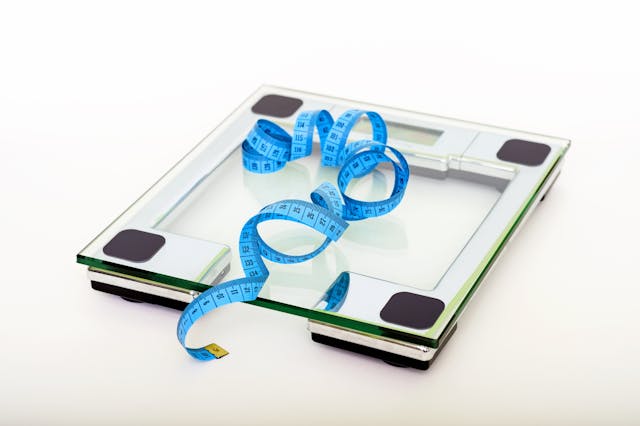
Health and wellness companies are embracing weight-loss drugs and building offerings around them in an effort to avoid the fate of WeightWatchers, which declared bankruptcy this week, citing vastly increased use of the new blockbuster medicines.
But some of WeightWatchers’ closest rivals, newer telehealth companies, face a new challenge of their own as federal regulators crack down on the cheaper versions of Novo Nordisk’s (NOVOb.CO)

WeightWatchers filed for bankruptcy on Tuesday, as Americans shunned its weight management business in favor of the Novo and Lilly drugs and copies from pharmacies that can cut a person’s weight by 15%-20%. The drugs, from a class of digestion-slowing medicines known as GLP-1 agonists, have eaten into demand at some big companies, including Walmart’s (WMT.N)

WeightWatchers, when it filed for bankruptcy, said its weight management system stopped being attractive to customers given changing views about weight versus wellness, competition from telehealth companies fully embracing the weight-loss drugs, and even fitness influencers on TikTok. The company has an agreement with creditors to restructure its debt and quickly exit the court process.

Adam McBride, CEO of Telehealth company Eden, said WeightWatchers, which tried to pivot to telehealth and sell weight-loss drugs, had an old school system that relied on points and in-person gatherings that customers didn’t like. “I don’t think that they were listening to their members,” McBride said.

Eden and rival Noom both operate weight-focused telehealth platforms with integrated lifestyle coaching – something WeightWatchers struggled with.

The newer companies have been selling unbranded versions of the in-demand weight-loss medications as part of their offerings.

Clinical subscriptions that provide access to clinicians and prescription drugs make up over half of Noom’s revenue, said CEO Geoff Cook.

Noom presents the drugs as a kind of superpower weight-loss tool, which the company said then drives customers to other parts of its platform.

“In the last month or two, people who are taking the meds are actually logging more meals,” said Noom’s CEO. “They’re weighing in more and they’re engaging in the other aspects of the Noom program at a rate that’s even better than the flagship program.”

WEIGHT-LOSS DRUG BANDWAGON

Other health companies see room for products and services that take advantage of the popularity of new weight-loss drugs, which some analysts forecast will have annual sales of $150 billion in the next decade.

Health retailer The Vitamin Shoppe has seen a spike in demand for supplements that could help with loss of appetite, decreasing muscle tone, and other GLP-1 side effects, said President Muriel Gonzalez. Sales of a set of supplements marketed to people taking such drugs jumped more than 20% from a year ago, a company spokesman said.

Last year, The Vitamin Shoppe launched a telehealth service, Whole Health Rx, that connects consumers with medical providers who can prescribe weight-loss drugs and recommend supplements to give people protein, fiber and multi-vitamins while on them.

Other companies have made similar moves. Supplement-seller GNC, looking to capitalize on the trend, last year added a section in stores dedicated to GLP-1 users, selling protein powder and fiber.

WeightWatchers itself is still trying to pivot. A spokesperson said in a statement that the GLP-1 drugs for weight loss are a growing and essential part of its business. It said its program works, citing an internal study in which its clinic patients taking GLP-1 drugs lost 21% of their weight and then transitioned to its behavioral program and lost another 2% after 13 weeks.

But easy sales of cheaper versions of the drugs are ending, even as lawsuits remain. The U.S. Food and Drug Administration is blocking sales of cheaper compounded versions of the drugs now that Wegovy and Zepbound and their related diabetes medicines — Ozempic and Mounjaro — are no longer in shortage.

Selling cheaper versions of the drugs has been a huge profit driver for these companies, and the loss is an issue, said Morningstar healthcare analyst Karen Andersen.

One path forward for wellness companies is to work with brand name drugmakers, Andersen said. “Companies like Novo, they need partners that have access to patients,” she said. But finding creative ways to partner with key competitors is no small task, she added. “It will be a rocky path.”


Contributors: Amina Niasse and Nicholas P. Brown – Reuters

These 5 Foods Will Stop Your Brain from Shrinking

These 5 Foods Will Stop Your Brain from Shrinking

Claremont Coloni and Nutrient Resource Clinic
My educational background is in psychology and neuroscience. I’m a brain research junkie and read the latest studies each and every week.

For the past three years or so, I have focused my attention on neurodegenerative diseases — mainly Alzheimer’s and Parkinson’s. As I became more interested in nutrition, I began to focus more on the impact that diet (and other lifestyle factors) have on the brain.
Just as the foods you eat influence your heart, kidneys, liver and all other major organs, your brain is also impacted by what you put in your body. Treat it right, and you may be able to stave off future neurological complications, including the development of neurodegenerative diseases.

Study finds link between diet and brain size

If you look at the available research, there are numerous studies that show a clear connection between a nutrient-rich diet and brain size, as well as brain functionality. This is particularly the case when eating a Mediterranean diet.

This month, a new study was published in Neurology. After studying 4,213 people in the Netherlands, it was found that diet may have a profound effect on the brain. The average age of these participants was 66 years old (none of the participants were living with dementia at the time of the study).

After filling out a questionnaire based on their intake of 400 items in the past month, the researchers focused their attention on diet quality. More specifically, they examined the participants’ intake of fruit, vegetables, legumes, whole grain products, nuts, fish, dairy, tea, unsaturated fats and oils, processed and red meat, alcohol, salt and sugary beverages.

The participants were then each ranked based on the quality of their diet. They were given a score between zero and 14. The average score was seven. Following this analysis, all participants underwent an MRI scan. Measuring a number of metrics, the average brain volume was found to be 932 milliliters.

After adjusting for other variables (sex, education, age, smoking and physical activity), it was found that a higher diet score was linked to a larger brain volume. In previous studies, those with a greater brain volume were shown to have higher levels of cognition.

Overall, those who consumed a healthier diet had an average of two more milliliters of total brain volume in comparison to those who did not eat a healthy diet. To put this in perspective, a brain volume that is 3.6 millimeters smaller equates to one year of aging.

These five foods can help reduce brain shrinkage

The study above is not the first of its kind and it won’t be the last. In fact, past research shows that a diet rich in key vitamins, minerals and fats can stop the brain from shrinking. In comparison, eating “junk food” has the opposite effect.

Starting today, consume more of the following five foods while maintaining a balanced, active lifestyle.

1. Wild-caught fish

Unlike farmed fish, wild-caught fish is not as heavily exposed to toxins, antibiotics and other harmful chemicals. Known to offer the body and mind essential omega-3 fatty acids, fish may also reduce brain shrinkage. In one key study, it was found that adults who took fish oil, who had not yet developed Alzheimer’s, experienced less brain shrinkage and cognitive decline in comparison to those not taking fish oil.

2. Dark leafy greens

It was recently found that kale and other dark leafy green vegetables may help keep the brain up to 11 years younger. As published in Neurology, older people who ate at least one serving of leafy greens daily, experienced lower rates of decline on tests of thinking skills and memory. High in folate and B-12, these B-complex vitamins have been shown to reduce brain shrinkage across time.

3. Olive oil

A staple of the Mediterranean diet, quality olive oil has been shown to protect brain tissue. Not only has it been attributed to less brain shrinkage, but also healthier neurons. Loaded with anti-inflammatory and antioxidants properties, olive oil is also believed to reduce the risk of genetic mutations in the brain.

4. Nuts

Nuts provide your body with a range of key nutrients, including healthy fats and vitamin E (which is high in hazelnuts and almonds). Walnuts are one of the top nuts for brain health, and just one-quarter of a cup provides nearly 100 percent of your daily recommended DHA (an omega- 3 fatty acid found in the human brain, skin, retina and cerebral cortex). Brazil nuts are also highly recommended.

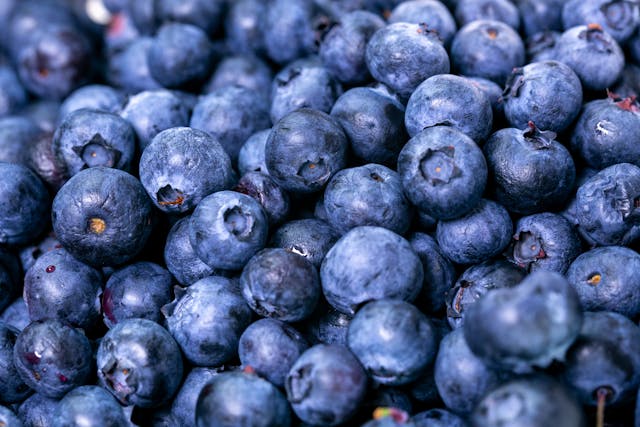
5. Blueberries

When it comes to inflammation, blueberries can act as a natural line of defense. Also, based on their high concentration of antioxidants, these little nutritional powerhouses are believed to protect brain cells from damage. The research shows that the regular consumption of blueberries is linked to increased blood flow to the brain. It has also been found that blueberries help protect against (and in some cases reverse) cognitive loss due to brain injury, stroke and normal aging.

When it comes to your neurological health, it is also important to note that there appears to be a significant connection between heart and brain health. This means that you should address and properly manage any cardiovascular conditions, including hypertension and diabetes.

On that note, I’m going to leave you with this quote from T. Colin Campbell, one of my favorite American biochemists. He is also a nutrition educator and once said, “Good nutrition creates health in all areas of our existence. All parts are interconnected.”

Feed your body and mind what it needs, and it will help you take care of the rest!


Contributor: Krista Hillis – Alternative Daily