US Fertility Rate Hovers Near Record Low as Trump Administration Pushes for a Baby Boom

US Fertility Rate Hovers Near Record Low as Trump Administration Pushes for a Baby Boom
Claremont Colonic Center
Women in the United States are less likely to have babies than ever before, but key figures in the Trump administration seem keen on changing that – even as federal programs focused on reproductive health face significant upheaval.
About 3.6 million babies were born in the US in 2024, according to a new report by the US Centers for Disease Control and Prevention. The fertility rate last year – 54.6 births for every 1,000 women of reproductive age – increased less than 1% from the record low in 2023, hovering well below rates from years earlier.

The US fertility rate has been trending down for decades, with a particularly steep dip after the Great Recession of 2008. An uptick in 2021 spurred theories about a Covid-19 “baby bump,” but the rate quickly returned to its more consistent downward pattern.

Experts say that year-to-year movement in the fertility rate tends to be incremental and that a single year of change – such as this year’s slight increase – does not indicate a shift in the long-term trend.

But the latest provisional data, published Wednesday by the CDC’s National Center for Health Statistics, also shows that births continue to shift to older mothers. The fertility rate was highest among women in their early 30s in 2024, with more than 95 births for every 1,000 women ages 30 to 34.

Meanwhile, teen births and births among women in their early 20s declined to record lows last year, the report shows. There were less than 13 births for every 1,000 teen girls, a 3% drop from 2023. And the birth rate for women ages 20 to 24 – about 56 births for every 1,000 women – was just slightly above the rate for women in their late 30s.

The small increase in births last year – about 27,000 more than in 2023 – was driven by higher birth rates among Asian and Hispanic women, while rates decreased among Black, White and American Indian women.

Experts say there are many reasons why women may be waiting to have kids or not having them all, with decisions shaped by socioeconomic circumstances and people’s broader experiences with reproductive health.

The US is facing a maternal health care crisis, with more than a third of the country in a maternal health care desert and a strikingly high rate of maternal death, especially among Black women. Research also suggests that abortion bans in the US are exacerbating existing health disparities as births increase in high-risk populations and infant mortality rises disproportionately.

Coming amid the fertility slump is a rise in pronatalist rhetoric by some officials surrounding President Trump, but those pushing for a higher birth rate in the US have not laid out a clear plan for how to support women, babies and families.

Elon Musk, who leads the Department of Government Efficiency, has said the low birth rate keeps him up at night.

“Humanity is dying,” he told Fox News last month.

Vice President JD Vance supported anti-abortion activists at a March for Life rally in January, days after being sworn in, and made his goal clear.

“Our society has failed to recognize the obligation that one generation has to another as a core part of living in a society,” he said. “So let me say very simply, I want more babies in the United States of America.”

And Transportation Secretary Sean Duffy sent a memo in March promising more funding to places with higher birth rates.

In 2023, Trump said he wanted “a baby boom” in the US. During the 2024 presidential campaign, he called himself the “father of IVF,” and he signed an executive order in February to develop policy recommendations to expand access to and affordability of in vitro fertilization.

But federal programs focused on reproductive health have taken a heavy hit as Musk’s department leads sweeping changes in the federal government.

Two-thirds of the CDC’s Division of Reproductive Health has been cut, according to a source who was part of the division and requested anonymity because of fear of retaliation. Programs focused on abortion surveillance, contraception guidelines, IVF surveillance, pregnancy risk assessment and more were among those that lost entire teams, with no plans to maintain them.

The US Department of Health and Human Services said Tuesday that maternal and reproductive health programs will continue under the new Administration for a Healthy America but offered no further details.


Contributor: Deidre McPhillips, CNN
15 Foods That Boost the Immune System

15 Foods That Boost the Immune System

Claremont Colonic Center
Regularly eating a variety of nutritious foods rich in vitamins and minerals, such as citrus fruits, spinach, red peppers, and ginger may help boost your immune system.
Immune system boosters

Feeding your body certain foods may help keep your immune system strong.

If you’re looking for ways to prevent colds, the flu, and other infections, your first step should be a visit to your local grocery store. Plan your meals to include these 15 powerful immune system boosters.

1. Citrus fruits

Most people turn straight to vitamin C after they’ve caught a cold. That’s because it helps build up your immune system.

Vitamin C is thought to increase the production of white blood cells, which are key to fighting infections.

Most citrus fruits are high in vitamin C. With such a variety to choose from, it’s easy to add a squeeze of this vitamin to any meal.

Popular citrus fruits include:

grapefruit
oranges
clementines
tangerines
lemons
limes

Because your body doesn’t produce or store it, you need daily vitamin C for continued health. The recommended daily amount for most adults is:

75 mg for women
90 mg for men

If you opt for supplements, avoid taking more than 2,000 milligrams (mg) a day.
Also keep in mind that while vitamin C might help you recover from a cold quicker, there’s no evidence yet that it’s effective against COVID-19.

2. Red bell peppers

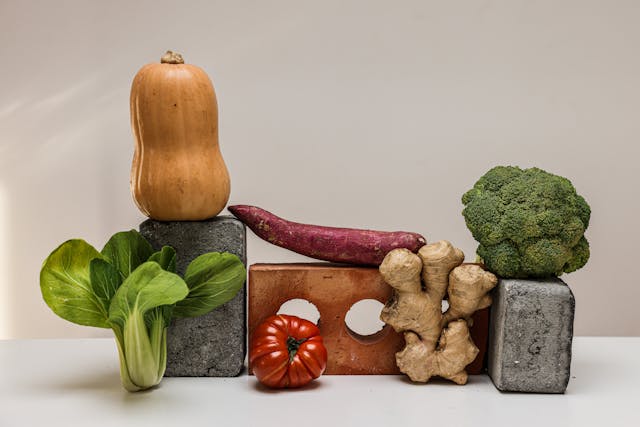
Ounce for ounce, red bell peppers contain almost 3 times as much vitamin C (127 mg) as a Florida orange (45 mg). They’re also a rich source of beta-carotene.

Besides boosting your immune system, vitamin C may help you maintain healthy skin. Beta-carotene, which your body converts into vitamin A, helps keep your eyes and skin healthy.

3. Broccoli

Broccoli is supercharged with vitamins and minerals. Packed with vitamins A, C, and E, as well as fiber and many other antioxidants, broccoli is one of the healthiest vegetables you can put on your plate.

The key to keeping its power intact is to cook it as little as possible — or better yet, not at all. Research has shown that steaming or microwaving are the best ways to keep more nutrients in the food.

4. Garlic

Garlic adds flavor to food and has long been used for medicinal purposes.

Early civilizations recognized its value in fighting infections. Garlic may also slow down hardening of the arteries, and people use it to treat high blood pressure.

Garlic’s immune-boosting properties seem to come from a heavy concentration of sulfur-containing compounds, such as allicin.

5. Ginger

Ginger is another ingredient many turn to after getting sick. Ginger may help decrease inflammation, which can help reduce a sore throat and inflammatory illnesses. It may also help with nausea.

While it’s used in many sweet desserts, ginger packs some heat in the form of gingerol, a relative of capsaicin.

Ginger may also decrease chronic pain and might even possess cholesterol-lowering properties.

6. Spinach

Spinach made our list not just because it’s rich in vitamin C — it’s also packed with numerous antioxidants and beta-carotene, which may both increase the infection-fighting ability of our immune systems.

Similar to broccoli, spinach is healthiest when cooked as little as possible so that it retains its nutrients. However, light cooking makes it easier to absorb the vitamin A and allows other nutrients to be released from oxalic acid, an antinutrient.

7. Yogurt

Look for yogurts that have the phrase “live and active cultures” printed on the label, like Greek yogurt. These cultures may stimulate your immune system to help fight diseases.

Try to get plain yogurts rather than the kind that are flavored and loaded with sugar. You can sweeten plain yogurt yourself with healthy fruits and a drizzle of honey instead.

Yogurt can also be a great source of vitamin D, so try to select brands fortified with this vitamin. Vitamin D helps regulate the immune system and is thought to boost our body’s natural defenses against diseases.

Clinical trials are even in the works to study its possible effects on COVID-19.

Research so far suggests that vitamin D deficiency may increase the risk for COVID19 and the severity of disease progression in people with the infection. Experts therefore believe supplementation may protect people with a vitamin D deficiency. However, there is no evidence that vitamin D can treat a COVID19 infection.

8. Almonds

When it comes to preventing and fighting off colds, vitamin E tends to take a backseat to vitamin C. However, this powerful antioxidant is key to a healthy immune system. It’s a fat-soluble vitamin, which means it requires the presence of fat to be absorbed properly. Nuts, such as almonds, are packed with the vitamin and also have healthy fats.

Adults only need about 15 mg of vitamin E each day. A half-cup serving of almonds, which is about 46 whole, shelled almonds, provides around 100% of the recommended daily amount.

9. Sunflower seeds

Sunflower seeds are full of nutrients, including phosphorous, magnesium, and vitamins B6 and E.

Vitamin E is important in regulating and maintaining immune system function. Other foods with high amounts of vitamin E include avocados and dark leafy greens.

Sunflower seeds are also high in selenium. Just 1 ounce contains nearly half the selenium that the average adult needs daily. A variety of studies, mostly performed on animals, have looked at its potential to combat viral infections such as swine flu (H1N1).

10. Turmeric

You may know turmeric as a key ingredient in many curries. This bright yellow, bitter spice has also been used for years as an anti-inflammatory in treating both osteoarthritis and rheumatoid arthritis.

Research shows that high concentrations of curcumin, which gives turmeric its distinctive color, can help decrease exercise-induced muscle damage. Curcumin has promise as an immune booster (based on findings from animal studies) with antimicrobial properties. More research is needed.

11. Green tea

Both green and black teas are packed with flavonoids, a type of antioxidant. Where green tea really excels is in its levels of epigallocatechin gallate (EGCG), another powerful antioxidant.

Research has suggested that EGCG may have antiviral properties that support the immune system. The fermentation process black tea goes through destroys a lot of the EGCG. Green tea, on the other hand, is steamed and not fermented, so the EGCG is preserved.

12. Papaya

One small papaya contains 100% of the daily recommended amount of vitamin C. Papayas also have a digestive enzyme called papain that has anti-inflammatory effects.

Papayas have decent amounts of potassium, magnesium, and folate, all of which are beneficial to your overall health.

13. Kiwi

Like papayas, kiwis are a rich source of essential nutrients, including folate, potassium, vitamin K, and vitamin C.

Vitamin C boosts the white blood cells to fight infection, while kiwi’s other nutrients keep the rest of your body functioning properly.

14. Poultry

When you’re sick, and you reach for chicken soup, it’s more than just the placebo effect that makes you feel better. The soup may help lower inflammation, which could improve symptoms of a cold.

Poultry, such as chicken and turkey, is high in vitamin B6. About 3 ounces of light turkey or chicken meat contains nearly one-third of your daily recommended amount of B6. Vitamin B6 is an important player in many of the chemical reactions that happen in the body. It’s also vital to the formation of new and healthy red blood cells.

Stock or broth made by boiling chicken bones contains gelatin, chondroitin, and other nutrients helpful for gut healing and immunity.

15. Shellfish

Shellfish isn’t what jumps to mind for many who are trying to boost their immune system, but some types of shellfish provide zinc, a nutrient that supports immune function.

Varieties of shellfish that are high in zinc include:

oysters
crab
lobster
mussels

Keep in mind that you don’t want to have more than the daily recommended amount of zinc in your diet:

11 mg for adult men
8 mg for most adult women

Too much zinc can actually inhibit immune system function.

Frequently asked questions

How can you boost your immune system quickly?

Boosting your immune system quickly isn’t possible, but the sooner you get started with a few lifestyle changes, the sooner you may improve your overall well-being and, ultimately, your immune system. You may want to focus on eating a balanced diet with plenty of fresh foods and whole grains, engage in at least 150 minutes of physical activity per week, get enough sleep, manage stress with deep breathing or talk therapy, avoid or quit smoking, and limit alcohol consumption.

Does vitamin C increase white blood cell count?

Preliminary research suggests vitamin C may be involved in the development and function of white blood cells. It seems vitamin C may improve the reproduction of B- and T-cells, which are important white blood cells for the immune system. The amount of vitamin C needed for increasing white blood cells may depend on the condition and overall health needs. More research in humans is needed to better understand the link between vitamin C and white blood cells.

How do you increase white blood cell count?

To raise your white blood cell count, you may want to avoid alcohol and tobacco use, take Omega-3s and zinc, and eat a balanced diet. For example, a 2021 study found that the Mediterranean diet had an effect on the white blood cell counts of adults at risk for cardiovascular disease.

Depending on the cause of low white blood cells, you may also need to take medications like myeloid growth factors.

What foods help fight viruses?

Antiviral foods may include fermented vegetables (kimchi), fermented milk (yogurt and kefir), herbs (oregano, fennel, peppermint, and aloe vera), garlic, ginger, turmeric, black cumin, cinnamon, licorice root, mushrooms, and citrus fruits.

What foods help fight infections?

Some foods may boost your immune system while others will help with their antimicrobial properties. This means they may help fight bacteria, viruses, and other pathogens that cause infections. Examples include herbs and spices (oregano, cinnamon, clove, and rosemary), cruciferous vegetables (kale and rutabaga), citrus fruits, parsley, and a wide range of other plant-based foods.

What vegetables are good for the immune system?

Eating a variety of vegetables may help you boost your immune system. Red peppers, spinach, and broccoli are good choices, as well as ginger, turmeric, and garlic.

Can bananas boost your immune system?

Eating all types of fresh fruits regularly may help your immune system function well. Bananas, in particular, contain a substance called lectin. One study in rodents found that banana lectin may enhance the immune system.

Summary

Fresh foods can provide our bodies with the nutrients our immune system needs to work correctly. You need a variety of fruits, vegetables, whole grains, herbs, and spices in your diet to enable your body to stay as healthy as possible.

Good choices of foods to boost the immune system include citrus fruits, spinach, almonds, papaya, and green tea.

It’s worth remembering though, that diet alone can’t keep us healthy. It’s also essential to exercise, maintain a moderate weight, and limit habits such as smoking and a high alcohol intake.

Although eating a balanced diet is key to boosting your immunity, foods alone cannot and should not replace medical treatment, unless your healthcare professional recommends it.


Contributor: James Schend – Healthline.com

“Wellness Rooms” are Claiming Space in Many Homes

“Wellness Rooms” are Claiming Space in Many Homes

Claremont Colonic Center
Dining rooms, bedrooms and other parts of the home are often converted for other uses, and one that’s trending is the wellness room
Our homes have been multitasking for a while now. They may be where we work, they are certainly where we play, and in today’s stress-filled world, they’re often the place where we feel most at peace.

Spurred by the pandemic, dens became offices, extra bedrooms became workout zones, dining rooms morphed into multifunctional creative spaces.

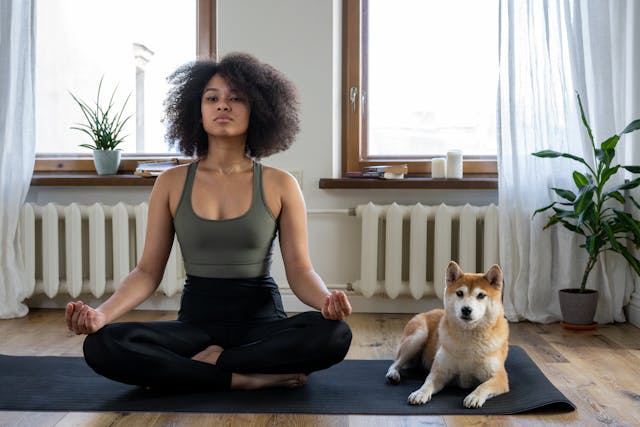
Often, we’re seeing rooms transformed into sanctuaries of self-care: welcome to the “wellness room.”

“Small sophisticated home gyms, music rooms, meditation rooms and Zen gardens are some of the wellness spaces we’ve designed recently,” says designer Gonzalo Bueno, who owns the firm Ten Plus Three in Dallas. “Spaces for wellness, retreat and recharging are all really popular right now.”

Bueno and his team combined several of these ideas in a home renovation in Austin, Texas. There is an outdoor Zen garden, flanked indoors by a meditation room on one side and the soaking tub of the primary bath on the other, with both facing a serene green space.

Holistic high and low tech

“Soundbathing,” where you immerse yourself in soothing instrumental and natural sounds, has become popular at many professional spas. Now, companies are making versions for the home, or you can set one up yourself.

Create a low-tech soundbathing studio with some comfy pillows, yoga mats, essential oil scent and dimmed lights or candles and then either play or use recorded sounds of chimes, singing bowls and gongs. You can find links to meditation sounds online.

There are full-size beds available that use low frequency sound and vibrations, or you can find cushion-y mats with some of the same features, far less costly.

Traditional saunas use steam, but infrared light saunas are an easier-to-install alternative for indoors. Several makers offer single, two-or three-person versions made of wood or just an insulated fabric. Fancy ones come equipped with Bluetooth audio and color-changing lights.

If you really want to splash out on an in-house, multi-sensory, luxury experience, there are shower units integrating tech into customizable water, steam, lighting and music.

Quiet and maybe deep

Jack Ovadia, whose eponymous design firm is based in New York, created a one-person onsen, the Japanese deep-soak-style tub, for a Phoenix client. The cocoon-like space has a contemplative wall of terrazzo pebbles and a pretty, petal-bedecked chandelier above.

But he also is doing wellness rooms that can multi-serve with a sauna and then an invigorating cold plunge tub. In his own home, he has an area to practice yoga and Pilates.

“Having a private space is essential,” Ovadia says. “A wellness room should be a space where the outside world dissolves; no background noise, no movement beyond your own. This is where you go to let go; to drop into something quieter, something deeper.”

Celebrating creativity solo or with your peeps

Your ideal wellness room might be a little more energetic than the serene, spa-like versions.

“We’re designing more music rooms,” Bueno says, “which isn’t surprising since music is so healing. “

He notes how much fun it is to work with clients who have a passion — “art, yoga, music or entertaining” — and design spaces to help bring that passion home.

“Recent clients had an extensive vinyl collection,” he says. “Others have wanted a room to enjoy music during large family gatherings.”

Materials and accessories to set the mood

Make sure the size of the space suits your activity and you use materials to set the tone.

“Bring in warmth and a sense of calm with things like natural tan oak, cork, bamboo, neutral tones and organic textures,” Ovadia says.

Small table lights can be set on a timer to play calming nature sounds. Some offer a soft amber glow or an array of soothing day-to-evening hues. Invest in a comfy sectional if you have space, or look for flop-worthy giant beanbags and squooshy oversize chairs.

If it’s an energy-filled space you’re after, Bueno has some suggestions for lighting that kicks things up a little, or a lot.

“We did a home gym with red accents, to bring in passion and motivating energy,” he says.

Engaging art can add to that vibe. Bueno mounted a clubby neon work in a large music/family room that says, “This Must Be the Place.” In the red gym hangs a contemporary piece that reads, “Keep On Keeping On.”

And for the quiet well room? Dreamy nature photographs, prints or mural wallpaper would be the chef’s kiss.

If you don’t have room for a wellness room

Nowhere to stake out a wellness room in your own place? You might have something similar in your hometown.

Public wellness spaces are becoming places to jive and gather as well. So-called social spas offering traditional spa services, as well as group hangout spaces and social activities, are popping up around the U.S.

“It’s the new nightclub,” Ovadia says. “Self-care is evolving into a shared experience, becoming a prominent scene rather than just a side routine.” br>

Contributor: Kim Cook- Associated Press

Kindness Will Make You Happier than a Higher Salary, Report Shows

Kindness Will Make You Happier than a Higher Salary, Report Shows

Claremont Colonic and Nutrient Resource Clinic
The world may feel cold, scary and cruel, but if you are open to seeing it, there is a lot of kindness, according to a new report.
The World Happiness Report, released each year on the International Day of Happiness, is a global analysis on happiness and well-being in partnership with Gallup, the University of Oxford Wellbeing Research Centre and the UN Sustainable Development Solutions Network.

This year’s report paid special attention to acts of benevolence and people’s expectations of their communities.

What are acts of benevolence? The report divided them into three categories: donating money, volunteering and doing a nice thing for a stranger.

Based on the data, 70% of the world’s population did at least one kind thing in the last month, the report found.

“That’s a really, really high number,” said Dr. Felix Cheung, the report’s coauthor and assistant professor of psychology at the University of Toronto and Canada Research Chair in Population Well-Being. “We should just look at that number and feel really good. Seven in 10 people around us have done something nice … in the past month.”

This trend of doing kind things is down from a spike during the Covid-19 pandemic, but it is still an improvement from pre-lockdown numbers, according to the report.

“Even though the world feels like it’s a pretty difficult place right now, it is nice to know that people are engaging in kind and generous acts,” said Dr. Lara Aknin, professor of social psychology at Simon Fraser University in British Columbia and an editor of the World Happiness Report.

There is evidence that doing nice things helps both the recipient and the doer feel happier, and benevolence may be a key step to improving your own happiness and the overall happiness in the United States, which continues to drop on the list of happiest countries, said Ilana Ron-Levey, a managing director of the public sector at Gallup. (The US ranked No. 24 on this year’s list of the happiest countries.)

Doing good feels good

Making a donation, doing an hour of volunteer work or engaging in some other small act of kindness may seem insignificant in the list of big things that make a happy life, but the data says otherwise, according to Ron-Levey.

“Acts of generosity predict happiness even more than earning a higher salary,” she said.

Aknin has studied the impact of benevolence and found that it’s significant.

One experiment recruited a sample of participants on university campuses to report their baseline happiness. Researchers then gave them a small amount of money –– about $2 to $5 –– and told them to spend it on themselves or someone else, she said.

“Then we measure people’s immediate emotional reactions,” Aknin said. “By and large, we find in almost all of our studies that people randomly assigned to spend generously report feeling higher levels of happiness than people who spend on themselves.”

The pattern was similar in other countries such as South Africa, Uganda and India.

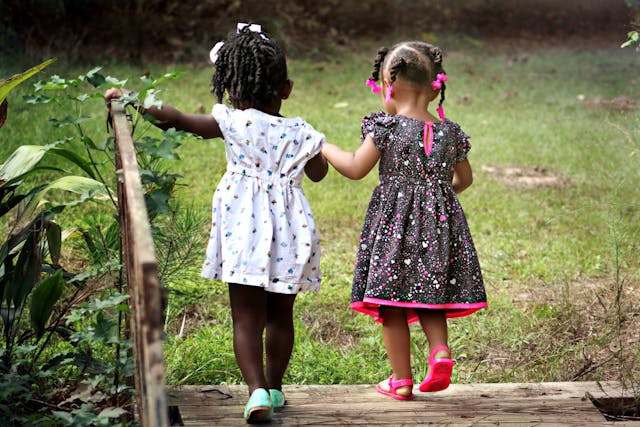
“We’re a super social species,” Aknin said, “and we argue that acts of generosity help build and sustain those connections.”

The ‘empathy gap’

Given the number of people who do kind things, expectations of benevolence are generally low, Aknin said.

“Long story short is that people are overly pessimistic,” she said.

To understand how people perceive the levels of kindness around them, researchers for the survey asked if people expected a lost wallet to be returned to them, Cheung said. The researchers broke the survey down by seeing if people expected a neighbor, the police or a stranger would return the wallet.

“The US ranks 17th in the world in believing a neighbor would return a lost wallet, 25th in the world in believing the same of police, but ranks only 52nd in believing that a stranger would return a wallet, which really suggests some fraying of social cohesion,” Ron-Levey said.

People were more likely to believe that a neighbor or police officer would return a lost wallet if found, but belief in a stranger is a barometer of trust, Aknin said.

“The stranger returning a lost wallet is really, really important in terms of that trust in your society,” she said.

And researchers have been able to compare the expectations with reality.

In previous studies, researchers have gone to different cities around the globe, dropped wallets and analyzed the rates of the wallets being returned against what the people in that city reported they believed would happen, Aknin said.

Almost every place drastically underestimated the likelihood of the wallet being returned by a stranger, she said. The disparity is called an “empathy gap,” Aknin added. For example, about one-third of people expected a lost wallet to be returned in the US, whereas two-thirds of such wallets actually were, Cheung said.

It makes sense that a bigger empathy gap would have a negative impact on happiness, Aknin added.

“If we assume the worst of others, it shapes how we interact with the world,” Aknin said. “If we expect the worst of others, we walk around the world fearful, and that matters for our own well-being.”

Why build community

The good news is that the empathy gap can be closed, Aknin said.

“We’re not asking people to have unreasonably optimistic (expectations),” Cheung said. But if you can “develop that trust and you can expect that level of kindness, you will be a lot happier.”

The report shows that people’s perceptions of the kindness of others has improved when they take social risks, Aknin said.

“When they do, they realize that most of these risks are met with kindness and positivity,” she said.

Aknin’s research has also showed the best ways to perform benevolent acts to get the boost of happiness. She calls it the three C’s. In your kind acts, you should connect with others, Aknin said. For example, you are more likely to get a bigger boost taking someone out for coffee rather than sending a person $5 to get coffee on their own, she said.

“Social time is pretty critical, or that face-to-face connection can go a long way,” Aknin added.

The second C is for choice, meaning it feels better when you act in a kind or generous way because you want to, not because you feel obligated to do so, she said.

The last is for a clear sense of positive impact. Doing something you can see the impact of or donating to a cause that you can see the benefit of is likely to give you the most fulfillment, Aknin said.

One other metric that may tell part of the story regarding the connection between kindness and happiness is the rate of people eating alone, Ron-Levey said.

“Even when accounting for household size, eating alone is linked to lower lifestyle satisfaction,” she said.

And meal sharing has been going down: One in 4 Americans reported eating all their meals alone the previous day –– which is a 53% increase since 2003, Ron-Levey said.

“These things are all connected,” she added. “If you’re eating by yourself most of the time, if you don’t have someone that you can rely on in a time of need, if you’re losing trust in institutions and your community, it’s going to lead most likely to fewer benevolent acts, which, in turn, affects your happiness.”

Those factors add up to isolation and lack of social connections, which can affect your happiness, Ron-Levey said. But that lack of community isn’t true everywhere. A sense of community and social connection is “one of the most important explanations of why Finland and the Nordic countries remain at the top of the happiness rankings year over year,” she added.


Contributor: Madeline Holcombe, CNN Health