
The 8 Places on Your Body You Forget to Clean (why you need to quit ignoring them)
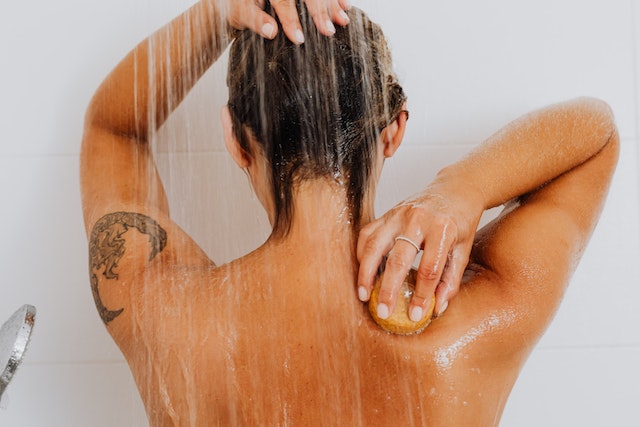
If you’re in and out of the shower faster than the speed of light, then you might be forgetting to wash a few bacteria-laden body parts.
While it’s perfectly acceptable to take a “quickie” shower now and again, you may want to revamp your day-to-day bathing routine to include body parts that require regular housekeeping. Here are eight places on the body that are often ignored when showering, and why you need to give them a little more attention.
Clean behind your ears, please
If behind your ears produces a distinct scent that smells like sweat, cheese, or body odor, then it’s time to stop neglecting this area. Sweat and sebaceous glands are found all over the body, including behind your ears. They secrete perspiration and sebum (aka oil) that produces an odor. And of course, behind your ears, as well as all the folds and grooves behind it, are areas where these substances can hide, build up — and smell. But beyond sweat and oil, even foreign substances can build up behind the ears like hair products, cosmetics, smoke, and pollution.
Meanwhile, conditions like eczema, seborrheic dermatitis, and dandruff further aggravate the sensitive areas behind the ears, causing rashes that can weaken the skin, prompting you to scratch. Scratching then makes the skin more vulnerable to attracting pollutants and bacteria behind the ears. After thoroughly cleansing this area, a little peppermint oil diluted with a carrier oil can help soothe and heal the skin while also offering a pleasant scent to counter any bad smells.
A little housekeeping on your belly button
It’s a tiny nook buried in your tummy, but when forgotten, can harbor over 2000 species of bacteria. Recently a group of North Carolina-based researchers published results from their Belly Button Biodiversity project (BBB.) This was the first — of many experiments — whereby 60 belly buttons were swabbed. Identified was a total of over 2000 species of bacteria. These bacteria feast on dead skin, oil, sweat, and other debris that gets trapped in there. Then, of course, they multiply, creating that foul smell. And the deeper your belly button, the bigger potential for dirt and germs to build up inside it. So, don’t forget to clean your belly button!
Tongue cleaning is a must
Look in the mirror and stick out your tongue. Is it coated? If so, it could be due to dry mouth, smoking, medication, a yeast infection or poor oral hygiene. Your tongue is rough and full of bumps and channels that provide the perfect landscape for bacteria to settle and thrive. In fact, most people don’t realize that the tongue has much more bacteria than teeth do, which is why it’s so often forgotten. These bacteria can easily move to your teeth and not only cause bad breath but can also damage your pearly whites, suggest experts. To brush your tongue:
Your aim is to remove bacteria from both the front and the back of your tongue. However, the back is your tongue is your main priority since that area is not self-cleaning, like the front.
Do you wash your legs?
A question polled on Twitter asked: “Do you wash your legs when you take a shower? Yes or No.” The question landed over 700,000 votes and over 2000 responses. Needless to say, some responses were downright comical. Many people offered more than just a “yes” or “no” response and followed with an explanation of why or why not. This triggered an exchange of over 250 replies. Here’s what experts have to say on the subject. If you have never washed your legs before, then you should fix this the next time you shower. The main reason is to remove sweat, dirt, and dead skin cells — all of which can lead to body odor. After all, millions of bacteria colonize every square inch of your body. But there seems to be a fine line between washing and over stripping the skin. If your legs aren’t visibly dirty, then you don’t actually need to wash them with soap suggests Joshua Zeichner, director of cosmetic and clinical research, dermatology, Mount Sinai Hospital, New York City. Zeichner says the soap that drips down your body is enough to remove the sweat and dirt that builds up during the day. I’ll leave this body part up to you and let your own common sense prevail.
Wash between your toes
Even if you’ve opted never to wash your legs with the justification that soap and water naturally runs down your legs anyway, your argument doesn’t hold true for your toes. Yes, soapy water may hit your toes when you shower, but that’s not enough to keep fungus and bacteria at bay. Fungal organisms love moisture. So, keeping your feet clean and dry daily helps lower your chance of getting a fungal infection like athlete’s foot. And of course, there are “hitch-hiking” types of fungi, which is why wearing flip-flops in public showers is so important. And by-the-way, there’s no one-size-fits-all treatment for toenail fungus since each infection has a different makeup of fungi species. It’s incredibly hard to treat. So, shower up and wash between your toes.
When was the last time you washed your back?
Sure, your back gets wet in the shower, and shampoo naturally runs down when you rinse, but the truth is, your back needs a little more cleaning than that. Sweat, dirt, and dead skin cells accumulate on the back area. So, invest in a back scrubber or an exfoliating bath sponge with a handle that allows you to reach around back. Wash your back at least two to three times a week to reduce your chance of developing skin and soft-tissue infections. According to research, the skin breeds an extremely assorted ecology of organisms that can produce infections. But remember, if you are prone to back acne, wash your back only after you have conditioned your hair.
How about the back of your neck?
Your skincare routine may include the front of your neck but when was the last time you washed the back of your neck? Sweat, environmental pollutants, oil, and dirt naturally accumulate around the back. Soap and water, and a little gentle exfoliation can help keep the back of your neck clean and fresh.
Don’t neglect the skin on your butt either
If you generally sweat up a storm at the gym or even while you sit daily at your desk job, then you might be all too familiar with butt acne. Your best course of action is to wash – not ignore this area. Shower after every workout and exfoliate regularly.
While experts agree that showers should be short and sweet, since too much hot water can lead to dry hair and skin, that doesn’t mean you should avoid certain body parts altogether. Instead, stick to a lukewarm or cooler water when showering — and get it all done. However, if your time is short, start on the top and let the soap work its way down, and then focus mainly on your underarms, groin, and feet. Avoid hard, chemically-laden, and perfumed soaps, and instead, take a more natural approach to avoid stripping your skin of natural oils. How often you shower depends on you. How often you wash all the necessary bits and pieces also depends on you. Hygiene is personal — but can affect those around you. Keep that in mind the next time you shower.
Contributor: Katherine Marko – AlternativeDaily.com
Clean behind your ears, please
If behind your ears produces a distinct scent that smells like sweat, cheese, or body odor, then it’s time to stop neglecting this area. Sweat and sebaceous glands are found all over the body, including behind your ears. They secrete perspiration and sebum (aka oil) that produces an odor. And of course, behind your ears, as well as all the folds and grooves behind it, are areas where these substances can hide, build up — and smell. But beyond sweat and oil, even foreign substances can build up behind the ears like hair products, cosmetics, smoke, and pollution.
Meanwhile, conditions like eczema, seborrheic dermatitis, and dandruff further aggravate the sensitive areas behind the ears, causing rashes that can weaken the skin, prompting you to scratch. Scratching then makes the skin more vulnerable to attracting pollutants and bacteria behind the ears. After thoroughly cleansing this area, a little peppermint oil diluted with a carrier oil can help soothe and heal the skin while also offering a pleasant scent to counter any bad smells.
A little housekeeping on your belly button
It’s a tiny nook buried in your tummy, but when forgotten, can harbor over 2000 species of bacteria. Recently a group of North Carolina-based researchers published results from their Belly Button Biodiversity project (BBB.) This was the first — of many experiments — whereby 60 belly buttons were swabbed. Identified was a total of over 2000 species of bacteria. These bacteria feast on dead skin, oil, sweat, and other debris that gets trapped in there. Then, of course, they multiply, creating that foul smell. And the deeper your belly button, the bigger potential for dirt and germs to build up inside it. So, don’t forget to clean your belly button!
Tongue cleaning is a must
Look in the mirror and stick out your tongue. Is it coated? If so, it could be due to dry mouth, smoking, medication, a yeast infection or poor oral hygiene. Your tongue is rough and full of bumps and channels that provide the perfect landscape for bacteria to settle and thrive. In fact, most people don’t realize that the tongue has much more bacteria than teeth do, which is why it’s so often forgotten. These bacteria can easily move to your teeth and not only cause bad breath but can also damage your pearly whites, suggest experts. To brush your tongue:
- Start by squeezing a small amount of toothpaste on your brush.
- Then, brush from the back and move forward. Remember to brush side to side and up and down.
- Use enough pressure to clean bacteria, but not so much that it becomes painful.
Your aim is to remove bacteria from both the front and the back of your tongue. However, the back is your tongue is your main priority since that area is not self-cleaning, like the front.
Do you wash your legs?
A question polled on Twitter asked: “Do you wash your legs when you take a shower? Yes or No.” The question landed over 700,000 votes and over 2000 responses. Needless to say, some responses were downright comical. Many people offered more than just a “yes” or “no” response and followed with an explanation of why or why not. This triggered an exchange of over 250 replies. Here’s what experts have to say on the subject. If you have never washed your legs before, then you should fix this the next time you shower. The main reason is to remove sweat, dirt, and dead skin cells — all of which can lead to body odor. After all, millions of bacteria colonize every square inch of your body. But there seems to be a fine line between washing and over stripping the skin. If your legs aren’t visibly dirty, then you don’t actually need to wash them with soap suggests Joshua Zeichner, director of cosmetic and clinical research, dermatology, Mount Sinai Hospital, New York City. Zeichner says the soap that drips down your body is enough to remove the sweat and dirt that builds up during the day. I’ll leave this body part up to you and let your own common sense prevail.
Wash between your toes
Even if you’ve opted never to wash your legs with the justification that soap and water naturally runs down your legs anyway, your argument doesn’t hold true for your toes. Yes, soapy water may hit your toes when you shower, but that’s not enough to keep fungus and bacteria at bay. Fungal organisms love moisture. So, keeping your feet clean and dry daily helps lower your chance of getting a fungal infection like athlete’s foot. And of course, there are “hitch-hiking” types of fungi, which is why wearing flip-flops in public showers is so important. And by-the-way, there’s no one-size-fits-all treatment for toenail fungus since each infection has a different makeup of fungi species. It’s incredibly hard to treat. So, shower up and wash between your toes.
When was the last time you washed your back?
Sure, your back gets wet in the shower, and shampoo naturally runs down when you rinse, but the truth is, your back needs a little more cleaning than that. Sweat, dirt, and dead skin cells accumulate on the back area. So, invest in a back scrubber or an exfoliating bath sponge with a handle that allows you to reach around back. Wash your back at least two to three times a week to reduce your chance of developing skin and soft-tissue infections. According to research, the skin breeds an extremely assorted ecology of organisms that can produce infections. But remember, if you are prone to back acne, wash your back only after you have conditioned your hair.
How about the back of your neck?
Your skincare routine may include the front of your neck but when was the last time you washed the back of your neck? Sweat, environmental pollutants, oil, and dirt naturally accumulate around the back. Soap and water, and a little gentle exfoliation can help keep the back of your neck clean and fresh.
Don’t neglect the skin on your butt either
If you generally sweat up a storm at the gym or even while you sit daily at your desk job, then you might be all too familiar with butt acne. Your best course of action is to wash – not ignore this area. Shower after every workout and exfoliate regularly.
While experts agree that showers should be short and sweet, since too much hot water can lead to dry hair and skin, that doesn’t mean you should avoid certain body parts altogether. Instead, stick to a lukewarm or cooler water when showering — and get it all done. However, if your time is short, start on the top and let the soap work its way down, and then focus mainly on your underarms, groin, and feet. Avoid hard, chemically-laden, and perfumed soaps, and instead, take a more natural approach to avoid stripping your skin of natural oils. How often you shower depends on you. How often you wash all the necessary bits and pieces also depends on you. Hygiene is personal — but can affect those around you. Keep that in mind the next time you shower.
Contributor: Katherine Marko – AlternativeDaily.com


