How Bangkok Is Becoming a Global Hub for Biohacking and Medical Wellness
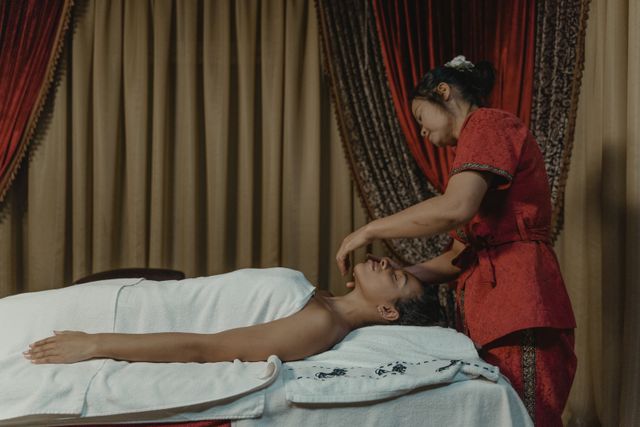
The city famous for traditional massage is embracing a clinical approach to wellness. Hotels are partnering with clinics to offer epigenetic testing, cryotherapy and personalized longevity plans.
The first thing you notice at Bangkok LIFE, a wellness facility on the 15th floor of the St. Regis Bangkok, is what you don’t smell.
Walk into almost any spa and the scent reaches you before you see the receptionist. It’s usually a signature blend of lemongrass and eucalyptus, pumped through the vents and inducing your nervous system to relax.
At Bangkok LIFE, it’s clean, almost clinical. Maybe that’s because this isn’t a spa that’s also a medical clinic. It’s the other way around.
In one room, there’s a cryotherapy chamber chilled to minus 110 degrees. In another, an intense pulsed light machine fires at the sun spots and pigmentation on your skin. There are intravenous (IV) drips, a hydrafacial that deep-cleans the skin, lasers for photo rejuvenation and tattoo removal, and an OligoScan that reads the heavy metals and minerals in your body. There’s a team of licensed doctors and nurses on hand to make sure all the treatments go according to plan.
Aphitchaya Boonkhong runs the place. She describes a shift that goes well beyond the massage table.
“Medical longevity is science-based and proven,” she says. “Now we go to another scale. People can analyze and choose the longevity lifestyle that fits them, personalized to the individual.” There’s a name for this combination of medical and spa treatment: biohacking. It’s a word that means measuring your biological age rather than the birthday in your passport.
Where to find biohacking clinics in Bangkok
Bangkok LIFE is hardly alone. RAKxa Integrative Wellness, on the green island of Bang Krachao at the edge of the city, pairs traditional Thai medicine and Ayurveda with a medical clinic run in partnership with Bumrungrad International Hospital. It also offers genetic testing, IV therapy, cryotherapy and a hyperbaric oxygen chamber. At the Aman Nai Lert Bangkok, which opened last April, two floors are dedicated to wellness, including a medical clinic run by the Bangkok beauty brand Hertitude that offers blood-panel analysis and an IV nutrient lounge.
And a growing number of standalone clinics, such as Healthi Life in the Ekkamai district, market doctor-led longevity programs built on biomarker testing.
The patient and the spa guest are starting to look like the same person. And for the informed guest in search of a true wellness experience, that can be a little confusing. Some of these treatments are unproven, so caution is advised. The most reputable clinics have licensed doctors on staff to make sure you are getting the best treatment—and not being sold something that won’t work.
The biohacking process: DNA testing and personalized longevity protocols
The biohacking process starts before you arrive. A guest gives a blood sample for local testing and for offshore epigenetic and DNA testing. When the results come back, the guest gets a reading of biological age and recommendations as specific as which foods suit your genes and how to sharpen your memory, according to Boonkhong.
From there, the team builds a personalized protocol around nutrition, sleep, movement, mindfulness, wellbeing, and biological regeneration aimed at heading off chronic disease years down the road as well as greater near-term energy and confidence.
Bangkok LIFE is the city version of a concept that started at the beach. Last year, Minor Hotels, the Bangkok-based company that owns the brand, opened Layan Life at its Anantara resort in Phuket.
That facility is built for guests with two weeks for a full wellness makeover. It has a Moti postural-analysis machine that scans your gait and a resident herbalist who brews custom teas, which are said to benefit your health.
The Bangkok facility runs the same method with a smaller footprint. It caters to residents of the building and executives flying in across 11 time zones who want maximum repair in minimum time.
The merging of hospitality and healthcare
The merging of hotel and hospital is the larger story, and it is happening all over Bangkok. The city converted a $10 massage culture into one of the world’s most ambitious wellness laboratories.
Nida Wongphanlert, managing director of the 137 Pillars Suites & Residences in Bangkok, has watched the two industries move toward each other.
“The hospital business wants to get into the hotel business,” she says. “And the hotel business wants to get into the medical business. There are now a lot of things in between.”
Bangkok LIFE sits squarely in that space. The medical side operates separately from the spa side, a split Thai regulations require for a licensed medical facility.
On one side of that line are doctors, blood work and diagnostics. On the other are the body scrubs and massages and the lavender-and-magnesium body treatment that smells faintly of a garden. It’s a clinic and a spa under one roof, and the brand is betting that the combination is what travelers now want.
Does combining medical and wellness work?
Bangkok’s spas are not waiting around to find out. Longevity is one of the fastest-growing corners in travel. The market for longevity clinics, the kind of medical-wellness facility that Bangkok LIFE represents, is worth about $6 billion and is expected to rise to more than $9 billion by 2030.
Affluent travelers are increasingly willing to pay a premium for personalized health programs, and clinics built inside luxury resorts and wellness hubs are chasing that money.
Here’s where a skeptical traveler should slow down. The science behind a lot of these treatments has not caught up with the marketing.
For example, biological age tests based on epigenetics or telomeres are often presented to clients as definitive scores, even though their precision and clinical usefulness are still being debated. In a recent review, scientists cautioned that clients can walk away overwhelmed by data and technology while receiving advice that isn’t fully supported by evidence.
The broader field has the same challenge: A survey of longevity clinics around the world found that many sell treatments that aren’t backed by science. Those include stem cell treatments that aren’t proven to extend your life or prescriptions for medications to treat conditions for which they weren’t FDA-approved.
Clinics like Bangkok LIFE are at the more conservative end of this spectrum. Its menu leans on diagnostics, IV drips and recovery treatments rather than stem cells or experimental biologics.
Boonkhong is careful to describe the goal as prevention. And there is a real argument that gathering health data on guests over many years could eventually teach us something about aging that traditional medicine misses.
The treatments at these clinics may leave you feeling sharper and better rested. Whether they add a single day to your life is something no one at Bangkok LIFE, or anywhere else, can promise—yet.
Contributor: Christopher Elliot – Forbes.com
Walk into almost any spa and the scent reaches you before you see the receptionist. It’s usually a signature blend of lemongrass and eucalyptus, pumped through the vents and inducing your nervous system to relax.
At Bangkok LIFE, it’s clean, almost clinical. Maybe that’s because this isn’t a spa that’s also a medical clinic. It’s the other way around.
In one room, there’s a cryotherapy chamber chilled to minus 110 degrees. In another, an intense pulsed light machine fires at the sun spots and pigmentation on your skin. There are intravenous (IV) drips, a hydrafacial that deep-cleans the skin, lasers for photo rejuvenation and tattoo removal, and an OligoScan that reads the heavy metals and minerals in your body. There’s a team of licensed doctors and nurses on hand to make sure all the treatments go according to plan.
Aphitchaya Boonkhong runs the place. She describes a shift that goes well beyond the massage table.
“Medical longevity is science-based and proven,” she says. “Now we go to another scale. People can analyze and choose the longevity lifestyle that fits them, personalized to the individual.” There’s a name for this combination of medical and spa treatment: biohacking. It’s a word that means measuring your biological age rather than the birthday in your passport.
Where to find biohacking clinics in Bangkok
Bangkok LIFE is hardly alone. RAKxa Integrative Wellness, on the green island of Bang Krachao at the edge of the city, pairs traditional Thai medicine and Ayurveda with a medical clinic run in partnership with Bumrungrad International Hospital. It also offers genetic testing, IV therapy, cryotherapy and a hyperbaric oxygen chamber. At the Aman Nai Lert Bangkok, which opened last April, two floors are dedicated to wellness, including a medical clinic run by the Bangkok beauty brand Hertitude that offers blood-panel analysis and an IV nutrient lounge.
And a growing number of standalone clinics, such as Healthi Life in the Ekkamai district, market doctor-led longevity programs built on biomarker testing.
The patient and the spa guest are starting to look like the same person. And for the informed guest in search of a true wellness experience, that can be a little confusing. Some of these treatments are unproven, so caution is advised. The most reputable clinics have licensed doctors on staff to make sure you are getting the best treatment—and not being sold something that won’t work.
The biohacking process: DNA testing and personalized longevity protocols
The biohacking process starts before you arrive. A guest gives a blood sample for local testing and for offshore epigenetic and DNA testing. When the results come back, the guest gets a reading of biological age and recommendations as specific as which foods suit your genes and how to sharpen your memory, according to Boonkhong.
From there, the team builds a personalized protocol around nutrition, sleep, movement, mindfulness, wellbeing, and biological regeneration aimed at heading off chronic disease years down the road as well as greater near-term energy and confidence.
Bangkok LIFE is the city version of a concept that started at the beach. Last year, Minor Hotels, the Bangkok-based company that owns the brand, opened Layan Life at its Anantara resort in Phuket.
That facility is built for guests with two weeks for a full wellness makeover. It has a Moti postural-analysis machine that scans your gait and a resident herbalist who brews custom teas, which are said to benefit your health.
The Bangkok facility runs the same method with a smaller footprint. It caters to residents of the building and executives flying in across 11 time zones who want maximum repair in minimum time.
The merging of hospitality and healthcare
The merging of hotel and hospital is the larger story, and it is happening all over Bangkok. The city converted a $10 massage culture into one of the world’s most ambitious wellness laboratories.
Nida Wongphanlert, managing director of the 137 Pillars Suites & Residences in Bangkok, has watched the two industries move toward each other.
“The hospital business wants to get into the hotel business,” she says. “And the hotel business wants to get into the medical business. There are now a lot of things in between.”
Bangkok LIFE sits squarely in that space. The medical side operates separately from the spa side, a split Thai regulations require for a licensed medical facility.
On one side of that line are doctors, blood work and diagnostics. On the other are the body scrubs and massages and the lavender-and-magnesium body treatment that smells faintly of a garden. It’s a clinic and a spa under one roof, and the brand is betting that the combination is what travelers now want.
Does combining medical and wellness work?
Bangkok’s spas are not waiting around to find out. Longevity is one of the fastest-growing corners in travel. The market for longevity clinics, the kind of medical-wellness facility that Bangkok LIFE represents, is worth about $6 billion and is expected to rise to more than $9 billion by 2030.
Affluent travelers are increasingly willing to pay a premium for personalized health programs, and clinics built inside luxury resorts and wellness hubs are chasing that money.
Here’s where a skeptical traveler should slow down. The science behind a lot of these treatments has not caught up with the marketing.
For example, biological age tests based on epigenetics or telomeres are often presented to clients as definitive scores, even though their precision and clinical usefulness are still being debated. In a recent review, scientists cautioned that clients can walk away overwhelmed by data and technology while receiving advice that isn’t fully supported by evidence.
The broader field has the same challenge: A survey of longevity clinics around the world found that many sell treatments that aren’t backed by science. Those include stem cell treatments that aren’t proven to extend your life or prescriptions for medications to treat conditions for which they weren’t FDA-approved.
Clinics like Bangkok LIFE are at the more conservative end of this spectrum. Its menu leans on diagnostics, IV drips and recovery treatments rather than stem cells or experimental biologics.
Boonkhong is careful to describe the goal as prevention. And there is a real argument that gathering health data on guests over many years could eventually teach us something about aging that traditional medicine misses.
The treatments at these clinics may leave you feeling sharper and better rested. Whether they add a single day to your life is something no one at Bangkok LIFE, or anywhere else, can promise—yet.
Contributor: Christopher Elliot – Forbes.com