“Wellness Rooms” are Claiming Space in Many Homes

“Wellness Rooms” are Claiming Space in Many Homes
Claremont Colonic Center
Dining rooms, bedrooms and other parts of the home are often converted for other uses, and one that’s trending is the wellness room
Our homes have been multitasking for a while now. They may be where we work, they are certainly where we play, and in today’s stress-filled world, they’re often the place where we feel most at peace.

Spurred by the pandemic, dens became offices, extra bedrooms became workout zones, dining rooms morphed into multifunctional creative spaces.

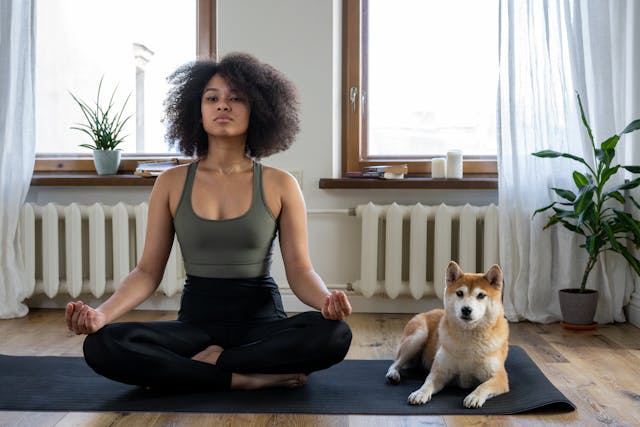
Often, we’re seeing rooms transformed into sanctuaries of self-care: welcome to the “wellness room.”

“Small sophisticated home gyms, music rooms, meditation rooms and Zen gardens are some of the wellness spaces we’ve designed recently,” says designer Gonzalo Bueno, who owns the firm Ten Plus Three in Dallas. “Spaces for wellness, retreat and recharging are all really popular right now.”

Bueno and his team combined several of these ideas in a home renovation in Austin, Texas. There is an outdoor Zen garden, flanked indoors by a meditation room on one side and the soaking tub of the primary bath on the other, with both facing a serene green space.

Holistic high and low tech

“Soundbathing,” where you immerse yourself in soothing instrumental and natural sounds, has become popular at many professional spas. Now, companies are making versions for the home, or you can set one up yourself.

Create a low-tech soundbathing studio with some comfy pillows, yoga mats, essential oil scent and dimmed lights or candles and then either play or use recorded sounds of chimes, singing bowls and gongs. You can find links to meditation sounds online.

There are full-size beds available that use low frequency sound and vibrations, or you can find cushion-y mats with some of the same features, far less costly.

Traditional saunas use steam, but infrared light saunas are an easier-to-install alternative for indoors. Several makers offer single, two-or three-person versions made of wood or just an insulated fabric. Fancy ones come equipped with Bluetooth audio and color-changing lights.

If you really want to splash out on an in-house, multi-sensory, luxury experience, there are shower units integrating tech into customizable water, steam, lighting and music.

Quiet and maybe deep

Jack Ovadia, whose eponymous design firm is based in New York, created a one-person onsen, the Japanese deep-soak-style tub, for a Phoenix client. The cocoon-like space has a contemplative wall of terrazzo pebbles and a pretty, petal-bedecked chandelier above.

But he also is doing wellness rooms that can multi-serve with a sauna and then an invigorating cold plunge tub. In his own home, he has an area to practice yoga and Pilates.

“Having a private space is essential,” Ovadia says. “A wellness room should be a space where the outside world dissolves; no background noise, no movement beyond your own. This is where you go to let go; to drop into something quieter, something deeper.”

Celebrating creativity solo or with your peeps

Your ideal wellness room might be a little more energetic than the serene, spa-like versions.

“We’re designing more music rooms,” Bueno says, “which isn’t surprising since music is so healing. “

He notes how much fun it is to work with clients who have a passion — “art, yoga, music or entertaining” — and design spaces to help bring that passion home.

“Recent clients had an extensive vinyl collection,” he says. “Others have wanted a room to enjoy music during large family gatherings.”

Materials and accessories to set the mood

Make sure the size of the space suits your activity and you use materials to set the tone.

“Bring in warmth and a sense of calm with things like natural tan oak, cork, bamboo, neutral tones and organic textures,” Ovadia says.

Small table lights can be set on a timer to play calming nature sounds. Some offer a soft amber glow or an array of soothing day-to-evening hues. Invest in a comfy sectional if you have space, or look for flop-worthy giant beanbags and squooshy oversize chairs.

If it’s an energy-filled space you’re after, Bueno has some suggestions for lighting that kicks things up a little, or a lot.

“We did a home gym with red accents, to bring in passion and motivating energy,” he says.

Engaging art can add to that vibe. Bueno mounted a clubby neon work in a large music/family room that says, “This Must Be the Place.” In the red gym hangs a contemporary piece that reads, “Keep On Keeping On.”

And for the quiet well room? Dreamy nature photographs, prints or mural wallpaper would be the chef’s kiss.

If you don’t have room for a wellness room

Nowhere to stake out a wellness room in your own place? You might have something similar in your hometown.

Public wellness spaces are becoming places to jive and gather as well. So-called social spas offering traditional spa services, as well as group hangout spaces and social activities, are popping up around the U.S.

“It’s the new nightclub,” Ovadia says. “Self-care is evolving into a shared experience, becoming a prominent scene rather than just a side routine.” br>

Contributor: Kim Cook- Associated Press
Kindness Will Make You Happier than a Higher Salary, Report Shows

Kindness Will Make You Happier than a Higher Salary, Report Shows

Claremont Colonic and Nutrient Resource Clinic
The world may feel cold, scary and cruel, but if you are open to seeing it, there is a lot of kindness, according to a new report.
The World Happiness Report, released each year on the International Day of Happiness, is a global analysis on happiness and well-being in partnership with Gallup, the University of Oxford Wellbeing Research Centre and the UN Sustainable Development Solutions Network.

This year’s report paid special attention to acts of benevolence and people’s expectations of their communities.

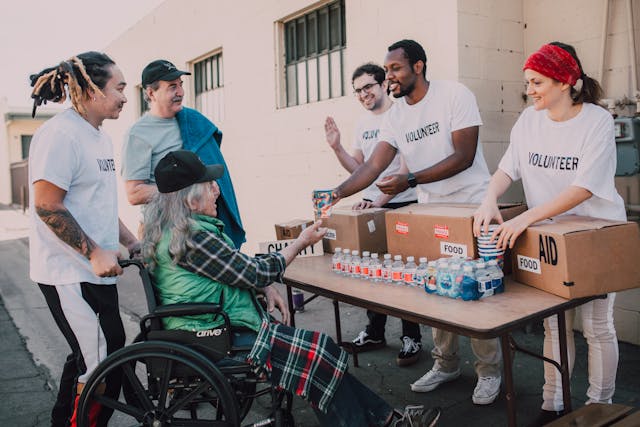
What are acts of benevolence? The report divided them into three categories: donating money, volunteering and doing a nice thing for a stranger.

Based on the data, 70% of the world’s population did at least one kind thing in the last month, the report found.

“That’s a really, really high number,” said Dr. Felix Cheung, the report’s coauthor and assistant professor of psychology at the University of Toronto and Canada Research Chair in Population Well-Being. “We should just look at that number and feel really good. Seven in 10 people around us have done something nice … in the past month.”

This trend of doing kind things is down from a spike during the Covid-19 pandemic, but it is still an improvement from pre-lockdown numbers, according to the report.

“Even though the world feels like it’s a pretty difficult place right now, it is nice to know that people are engaging in kind and generous acts,” said Dr. Lara Aknin, professor of social psychology at Simon Fraser University in British Columbia and an editor of the World Happiness Report.

There is evidence that doing nice things helps both the recipient and the doer feel happier, and benevolence may be a key step to improving your own happiness and the overall happiness in the United States, which continues to drop on the list of happiest countries, said Ilana Ron-Levey, a managing director of the public sector at Gallup. (The US ranked No. 24 on this year’s list of the happiest countries.)

Doing good feels good

Making a donation, doing an hour of volunteer work or engaging in some other small act of kindness may seem insignificant in the list of big things that make a happy life, but the data says otherwise, according to Ron-Levey.

“Acts of generosity predict happiness even more than earning a higher salary,” she said.

Aknin has studied the impact of benevolence and found that it’s significant.

One experiment recruited a sample of participants on university campuses to report their baseline happiness. Researchers then gave them a small amount of money –– about $2 to $5 –– and told them to spend it on themselves or someone else, she said.

“Then we measure people’s immediate emotional reactions,” Aknin said. “By and large, we find in almost all of our studies that people randomly assigned to spend generously report feeling higher levels of happiness than people who spend on themselves.”

The pattern was similar in other countries such as South Africa, Uganda and India.

“We’re a super social species,” Aknin said, “and we argue that acts of generosity help build and sustain those connections.”

The ‘empathy gap’

Given the number of people who do kind things, expectations of benevolence are generally low, Aknin said.

“Long story short is that people are overly pessimistic,” she said.

To understand how people perceive the levels of kindness around them, researchers for the survey asked if people expected a lost wallet to be returned to them, Cheung said. The researchers broke the survey down by seeing if people expected a neighbor, the police or a stranger would return the wallet.

“The US ranks 17th in the world in believing a neighbor would return a lost wallet, 25th in the world in believing the same of police, but ranks only 52nd in believing that a stranger would return a wallet, which really suggests some fraying of social cohesion,” Ron-Levey said.

People were more likely to believe that a neighbor or police officer would return a lost wallet if found, but belief in a stranger is a barometer of trust, Aknin said.

“The stranger returning a lost wallet is really, really important in terms of that trust in your society,” she said.

And researchers have been able to compare the expectations with reality.

In previous studies, researchers have gone to different cities around the globe, dropped wallets and analyzed the rates of the wallets being returned against what the people in that city reported they believed would happen, Aknin said.

Almost every place drastically underestimated the likelihood of the wallet being returned by a stranger, she said. The disparity is called an “empathy gap,” Aknin added. For example, about one-third of people expected a lost wallet to be returned in the US, whereas two-thirds of such wallets actually were, Cheung said.

It makes sense that a bigger empathy gap would have a negative impact on happiness, Aknin added.

“If we assume the worst of others, it shapes how we interact with the world,” Aknin said. “If we expect the worst of others, we walk around the world fearful, and that matters for our own well-being.”

Why build community

The good news is that the empathy gap can be closed, Aknin said.

“We’re not asking people to have unreasonably optimistic (expectations),” Cheung said. But if you can “develop that trust and you can expect that level of kindness, you will be a lot happier.”

The report shows that people’s perceptions of the kindness of others has improved when they take social risks, Aknin said.

“When they do, they realize that most of these risks are met with kindness and positivity,” she said.

Aknin’s research has also showed the best ways to perform benevolent acts to get the boost of happiness. She calls it the three C’s. In your kind acts, you should connect with others, Aknin said. For example, you are more likely to get a bigger boost taking someone out for coffee rather than sending a person $5 to get coffee on their own, she said.

“Social time is pretty critical, or that face-to-face connection can go a long way,” Aknin added.

The second C is for choice, meaning it feels better when you act in a kind or generous way because you want to, not because you feel obligated to do so, she said.

The last is for a clear sense of positive impact. Doing something you can see the impact of or donating to a cause that you can see the benefit of is likely to give you the most fulfillment, Aknin said.

One other metric that may tell part of the story regarding the connection between kindness and happiness is the rate of people eating alone, Ron-Levey said.

“Even when accounting for household size, eating alone is linked to lower lifestyle satisfaction,” she said.

And meal sharing has been going down: One in 4 Americans reported eating all their meals alone the previous day –– which is a 53% increase since 2003, Ron-Levey said.

“These things are all connected,” she added. “If you’re eating by yourself most of the time, if you don’t have someone that you can rely on in a time of need, if you’re losing trust in institutions and your community, it’s going to lead most likely to fewer benevolent acts, which, in turn, affects your happiness.”

Those factors add up to isolation and lack of social connections, which can affect your happiness, Ron-Levey said. But that lack of community isn’t true everywhere. A sense of community and social connection is “one of the most important explanations of why Finland and the Nordic countries remain at the top of the happiness rankings year over year,” she added.


Contributor: Madeline Holcombe, CNN Health

Why a “Go Bag” Can Mean the Difference Between Life or Death During a Disaster

Why a “Go Bag” Can Mean the Difference Between Life or Death During a Disaster

CCCNewsletterGoBag

When hurricanes bear down, floodwaters rise, wildfires rage and that big earthquake finally strikes, it’s critical that you and your family members are ready to evacuate.

Perhaps the most important thing to bring with you: a “go bag” full of emergency supplies. Go bags exist to save you from having to run around and gather items when a threatening situation is imminent.

These bags are designed to provide everything a family of four needs to survive for several days after a disaster, especially if tried-and-trusted services aren’t available.

The bags don’t have to be bags at all — they can be boxes, cartons or crates, so long as they contain all of the important supplies.

The contents of a family’s go bag could mean the difference between life or death, depending on how bad a situation becomes, according to Jonathan Sury, senior staff associate at the National Center for Disaster Preparedness, or NCDP, at Columbia Climate School.

“Having yourself and your family be prepared will ease the burden on our response system but also make you more mentally ready for what lies ahead,” Sury said. “Preparation is the difference between being panicked and being calm, collected and cool.”

Disaster preparedness certainly is an important topic; a 2015 NCDP survey indicated that only 35% of respondents had an adequate disaster plan and supplies.

Whether your home is currently threatened, now is a great time to put a plan together.

Your must-haves

Most of the items disaster preparedness experts suggest you include in a go bag are things you can find around your house. You also can purchase items separately or as part of package kits designed to offer one-stop shopping.

Whichever strategy you choose, the Federal Emergency Management Agency website says a basic emergency supply kit should include:

  • One gallon of water per person, per day
  • Three-day supply of nonperishable food per person and per pet
  • Your family’s prescription medications
  • Battery-powered or hand crank radio
  • Flashlights
  • First-aid kit
  • Wrench to turn off utilities

Some of the items on extended lists include emergency blankets, extra cash, solar cell phone chargers and a multipurpose tool such as a Leatherman or Swiss Army knife.

People also should include digital copies of all their important documents such as birth certificates, insurance policies and passports, Sury said, as well as ample supplies of over-the-counter and prescription medications for every person in the family.

Are the roads clear?

Another key component: good paper maps.

It is critical to have printed maps of the area with two exit routes marked clearly, said Samantha Montano, assistant professor of emergency management at the Massachusetts Maritime Academy.

“Have plans on how you would evacuate your home including what type of transportation you would use, how you would afford it, and where you would stay,” Montano wrote in an email.

“This is particularly important to think about early on because the pandemic may have made your existing evacuation plans obsolete.”

The American Red Cross also published a checklist that echoes these sentiments.

Is it time to leave yet?

During the pandemic, many families rethought their “go plan” and considered leaving before an official warning, if for no other reason than to get out of harm’s way, said Eric Alberts, assistant vice president of emergency management at Orlando Health, a health care system in Florida.

People can still catch Covid-19, the flu and other contagious illnesses, so those who are immunosuppressed or currently ill need to be even more careful as they evacuate, packing masks and hand sanitizer and their specific medications. (That’s good advice for everyone.) “If people are in a location that requires them to evacuate, they should be proactive and leave before it is too late,” he said.

A video record of your home

If you have time to prepare, do a walk-through of your home and take video of the contents. If the structure is destroyed, your insurance company will want to see what your home was like.

Sury, the expert from Columbia, said that while doing so isn’t a must, it’s always a good idea to have such a record.

“Anything that can be required for your identification or compensation after disaster,” he said. “If you’ve got a way to make formal record of everything with value, it will help you in the long run with recovering from a disaster.”

Sury’s organization has put together an app to help people determine how ready they are to respond to a disaster. The tool, dubbed the Preparedness Wizard, is fun and educational but also offers important practical information and input about how to maximize readiness and minimize risk.

Don’t forget the stuffed animals

In addition to whatever medicine and other basic supplies your children will need, remember their teddy bears, blankies, favorite books, tablets (and chargers) or other things that will help calm their fears as you leave your home.

Sonoma County, California, resident Rosie Monson learned this firsthand. In 2019, as the Kincade Fire was bearing down on her Alexander Valley home and she and her husband were evacuating, Monson made a pass through the house for her kids’ most cherished possessions.

“In our case it was My Little Pony dolls, a Nintendo Switch, jewelry and stuffies,” Monson said. “I didn’t have time to pack everything and couldn’t fit everything in our car with the pets and kids, but I didn’t want my kids to feel sad or stressed or different from other kids because something in their normal routine was gone.”

Monson and her husband lost their home in that fire, and she said her kids still cherish everything that was saved. Her advice on packing for evacuations: “If your kids don’t have their favorite stuff, the tears start every time they think of something and it’s so sad.”

Always be ready

The bottom line: always be ready, even beyond the bag. Just because someone puts together a “go bag” does not mean that person is prepared, Montano warned.

“We know from the research that it’s much more complicated than that,” she said. “Your social network, your economic situation, the preparedness of your local government (and) other factors all influence how ready you are to go through a disaster.”

Contributor: Matt Villano, CNN

Replacing Butter for Some Plant Oils Could Significantly Lower Risk of Mortality, New Study Finds

Replacing Butter for Some Plant Oils Could Significantly Lower Risk of Mortality, New Study Finds

Including olive oil in your regular diet offers several benefits — such as protecting heart health or cognitive function.
The Mediterranean staple might also reduce your risk of dying from dementia by 28% if you eat just a spoonful every day.

This new finding is according to research presented Monday in Boston at Nutrition 2023, the annual meeting of the American Society for Nutrition.

Whether olive oil is linked with risk of dementia-related death had never been studied until now, according to the authors. “Our study reinforces dietary guidelines recommending vegetable oils such as olive oil and suggests that these recommendations not only support heart health but potentially brain health, as well,” said Anne-Julie Tessier, a coauthor of the research and postdoctoral fellow at the Harvard T.H. Chan School of Public Health, in a news release. “Opting for olive oil, a natural product, instead of fats such as margarine and commercial mayonnaise is a safe choice and may reduce the risk of fatal dementia.”

Research participants included nearly 60,600 women who had participated in the Nurses’ Health Study from 1990 to 2018, and nearly 32,000 men who had been in the Health Professionals’ Follow-Up Study during the same time period. The former study investigated risk factors for major chronic diseases among women in North America, whereas the latter is looking into the same topics but for men.

The authors of the latest research assessed the diet of the participants — who were age 56 on average at the start of the study — every four years via a questionnaire. The team also reviewed diet quality using the Alternative Healthy Eating Index, which assigns ratings to foods and nutrients predictive of chronic disease. The higher people score on this index, the better.

Over a follow-up period of 28 years, regardless of diet quality, eating more than half a tablespoon of olive oil per day was associated with a 28% lower risk of dying from dementia, compared with participants who never or rarely consumed olive oil.

Additionally, replacing a daily teaspoon of mayonnaise or margarine with the same amount of olive oil was correlated with an 8% to 14% lower risk of dementia-related death, the authors found.

However, this research is early, so some experts uninvolved with it urge caution.

“These findings are simply being reported at a conference and have not undergone peer-review so there has been no examination of the study by independent experts,” said David Curtis, honorary professor at the UCL Genetics Institute at University College London, in a statement. “We do not know whether the results will end up being published in a journal. If the study does eventually result in a published paper, we do not know whether the published results will be the same as those now being presented.”

The 4,749 participants who died from dementia were more likely to have APOE e4 — the strongest known genetic risk factor for Alzheimer’s disease — according to analysis of DNA from participants’ blood or mouth cells. But having the gene doesn’t mean a person will certainly develop the disease, and the authors’ findings were still consistent after taking this factor into account, they said.

Regardless, “it is important to note that this is not causal, as the authors point out, only an association,” said registered dietitian Duane Mellor, a senior teaching fellow at Aston Medical School of Aston University in England. “More research is needed.”

Olive oil and dementia risk

The potential benefits of olive oil for brain health could be due to antioxidant compounds that can cross the blood-brain barrier, directly affecting the brain, Tessier said.

“It is also possible that olive oil has an indirect effect on brain health by benefiting cardiovascular health,” she added.

Though participants’ overall diet quality didn’t make a difference in the findings, those who consume olive oil may have overall healthier lifestyles.

“There are many, many differences between people who consume olive oil and those who do not, and it is never possible to fully account for all possible confounding factors,” Curtis said. Another important point to keep in mind is that about half of dementia cases are caused by vascular disease, Curtis added.

“Anything which improved cardiovascular health, such as not smoking, would be expected to reduce dementia risk,” he said. “It has been shown that olive oil consumption is associated with better cardiovascular health, so one would expect that it would also be associated with lower dementia risk.”

Olive oil is a staple of the Mediterranean diet, which has been found helpful for health of the brain, heart, bones and more. Besides cooking with olive oil, you can also use it to make salad dressings or vinaigrettes, mayonnaise, pesto or bread dip. And people should also remember that when it comes to food and brain function, it’s not just about what we eat, but how we eat, Mellor said.

“Remaining sociable around mealtimes and eating with others can benefit our mental health in the short term and cognitive function as we age,” he added.


Contributor: Sandee LaMotte – CNN Health