How To Have a Healthy Halloween

How To Have a Healthy Halloween

Claremont Colonic Center
Too much Halloween candy got you spooked? Try some of these healthy tips for party snacks and trick-or-treats. Ideas so good, it’s scary!
Curb the candy craze

The kids look adorable in their costumes and are counting down the days until Oct. 31! Are you ready for the sugar rush. Whether you’re having a party with friends or trick-or-treating in the neighborhood, with a little creativity, you can find fun ways to include some healthy options in the mix.

Try these tips to make your Halloween festivities a little healthier for your family, party guests and trick-or-treaters.

For the trick-or-treater


  • Fill up first. What kid doesn’t want to eat their favorite candy right when it goes into their trick-or-treat bag? Having a healthy meal BEFORE your kids go trick-or-treating can reduce their temptation to snack while walking or to overindulge because their tummies will be full.
  • Bag the monster bag. Choose or make a smaller collection container for your child and steer clear of the pillowcase method. If you encourage kids to only take one piece of candy from each house, they’ll be able to visit more houses in the neighborhood.
  • Get moving. Get some exercise by making Halloween a fun family activity. Walk instead of driving kids from house to house. Set a goal of how many houses or streets you’ll visit, or compete in teams to do as many as you can. Bring a bottle of water and a flashlight, and wear comfortable shoes for walking.
  • Look before you eat. Check expiration dates and inspect all edibles before allowing children to eat them. Don’t let children eat anything with questionable or unknown ingredients, especially if they have food allergies.
  • Have a plan. Halloween, and Eat Smart Month in November, can be a great time to talk with kids about moderation and making smart eating choices. Plan in advance how much candy they’ll be allowed to take at each house, keep and eat. If they’re old enough, let them help decide what to do with excess candy. See our suggestions later on in this article.
For the party host

  • Up the fright factor. Serve healthy snacks dressed up in the Halloween theme. There are lots of creative ideas being shared online at this time of year, such as banana ghosts, apple monster mouths, carrot witch fingers and candy-corn-colored fruit popsicles or parfaits!
  • Play with food. Incorporate healthy foods into party activities, such as decorating oranges like jack-o’-lanterns and bobbing for apples.
  • Keep ’em on their feet. Include plenty of physical activities, such as a zombie dance party, three-legged monster race, spider crawl or pumpkin toss.
  • Rethink the drink. Don’t forget that cutting back on sugary treats includes soda and sugar-sweetened beverages. Offer water, unsweetened tea, 100% juice or fat-free/low-fat milk instead. Make a Halloween-themed punch from sparkling water and a splash of 100% orange juice, garnished with plenty of orange slices and black grapes or blackberries.
For the stay-at-home crew

  • No self-service. Hand out treats to each trick-or-treater – one per child – instead of letting them decide how much to take. If you have more than one item, ask them to choose which they prefer. This can help you get control of your Halloween budget, too!
  • Avoid the whole mess. Want to avoid candy altogether, not to mention masses of kids at your door? Dress your family up in costumes and go see a movie or deliver healthy Halloween treats to your local police or fire station, nursing home or children’s hospital.
  • Be that house. You don’t have to pass out candy on Halloween. Start a new tradition and give out healthier treats or non-edible items. Don’t worry, we’re not talking about toothbrushes! Get creative, and keep it colorful and kid-friendly. Here are some ideas.
Healthier Treats:

  • Clementines, blood oranges or oranges decorated like jack-o’-lanterns (with nontoxic ink)
  • 100% juice boxes or pouches
  • Snack-sized packages of pretzels, popcorn, graham crackers, dried fruit or vegetables, trail mix, nuts or pumpkin seeds
  • 100% real fruit strips, ropes or leathers
  • Squeezable yogurt tubes or pouches
  • Single-serving containers of mandarin oranges
  • Sugar-free gum
Non-edible items:

  • Glow sticks or small glow-in-the-dark toys
  • Bouncy balls
  • Mini plush toys and wind-up toys
  • Crayons and coloring books (or intricate coloring pages for older kids)
  • Stickers or stamps
  • Temporary tattoos
  • Bubble makers
  • Spider rings or vampire teeth
  • Slime, putty or squishy toys
  • Friendship bracelets
Be careful to avoid giving very small items that could be a choking hazard to little ones.

What to do with excess candy

Afraid you’ll be dealing with an excess of Halloween treats until long after Valentine’s Day? Here are some ideas for enjoying the evening’s haul responsibly and getting rid of leftover candy:

  • Let each child keep enough candy to have one or two pieces a day for one or two weeks ‒ long enough for the excitement to wane. Throw away, donate or repurpose the rest.
  • When your child asks for a piece of candy, pair it with a healthy snack: an apple, a banana, some nuts or celery with peanut butter.
  • “Buy back” candy from your child with money or tokens they can trade in for a fun activity: a day at the zoo, an afternoon playing at the park, ice skating or a day at the pool.
  • Some dentists’ offices have buy-back or trade-in programs, too.
  • Save it for holiday baking.
  • Save it to fill the piñata at the next birthday celebration or give out with Valentine cards.
  • Use it in an arts and crafts project or to decorate a holiday gingerbread house.
  • Donate excess candy to a homeless shelter, children’s hospital or care package program for troops overseas. A familiar sweet treat from home can be comforting at the holidays.
Have no fear – you got this! Let’s make Halloween fun, spooky and a little healthier, too.


Contributor: American Heart Association
Stop Blaming Yourself for Your Expanding Waistline. The Food Supply is Working Against You, Expert Says

Stop Blaming Yourself for Your Expanding Waistline. The Food Supply is Working Against You, Expert Says

Claremont Colonic Center
Nutrition scientist Dr. Kevin Hall may not be a household name, but he’s famous. He’s one of the only researchers in the world to conduct not one, but two gold-standard clinical trials on the impact of ultraprocessed foods on the growing obesity crisis.
During Hall’s first clinical trial at the US National Institutes of Health, 20 healthy volunteers consumed 500 additional calories a day when they ate ultraprocessed foods compared with when they ate meals made from whole foods. In the second clinical trial, not yet published, 36 sequestered volunteers ate an additional 1,000 calories a day when on the ultraprocessed food diet, according to a midpoint analysis of the data by Hall.

“These are two of the most important experiments ever done in nutrition, not least because they were so rigorously controlled. The study subjects were essentially imprisoned and could not forget, lie or cheat about what they ate,” said Marion Nestle, the Paulette Goddard Professor of Nutrition, Food Studies and Public Health, Emerita, at New York University.

Which foods spurred people to eat the most calories? Ultraprocessed meals that were both energy dense (lots of calories per bite) and hyperpalatable (“Betcha can’t eat just one”).

Insights from the two studies, along with Hall’s decades of research into low-fat, low-carb diets, the role of metabolism, and the weight loss success of contestants on “The Biggest Loser,” has led to his new book, “Food Intelligence: The Science of How Food Both Nourishes and Harms Us.” It was coauthored by journalist Julia Belluz.

Hall was a senior investigator at the NIH until he retired in April after denouncing censorship of his research findings by the US Department of Health and Human Services, which oversees the NIH.

CNN spoke to Hall about nutritional myth busting and why he believes it’s our food supply, not a lack of willpower, that leads to overeating.

This interview has been lightly edited and condensed for clarity.

CNN: You named your book “Food Intelligence.” Why?

Dr. Kevin Hall: Forgive the pun, but people really do hunger for knowledge about nutrition because there’s all this noise out there — often with very competing views and recommendations.

Too often people in nutrition science fall into this trap of thinking, “Oh, we’ve got it all figured out,” so they trot out some new diet, such as low-fat or low-carb, or supplements or devices or whatever it is that may not have been rigorously tested to hold up to scientific scrutiny.

For body fat, for example, it doesn’t matter too much whether you’re on a high-carb, lower fat diet or a low-carb, keto-like diet. Science has found the difference in body fat loss between the two is minimal when diet calories are similar. Yet that doesn’t stop the continuing argument between true believers in both camps.

We didn’t want to do another book about “here’s what you should really do and here’s what you should avoid,” but instead give people an appreciation for how science has progressed. Then hopefully they can determine for themselves what’s mostly hype at this stage compared to promising research.

CNN: Why do you say our food environment is to blame for our ever-expanding waistline?

Hall: Food intake is a biologically controlled phenomenon. Our food choices are guided by environmental and social cues — integrated with an internal symphony of hormonal and neural signals — an orchestra all conducted by the brain. Yet we aren’t consciously aware of that process.

Now we’re beginning to see that our food environment can disrupt those signals in ways we are only beginning to understand. For example, signals from the gut to the brain might be disrupted when nutrients in ultraprocessed foods are paired with some additives.

It’s true that some people have been very successful at making changes in their lifestyles leading to weight loss. However, when you’re faced with a food environment that is stacking the deck against you, it makes it so much more difficult to make the right choices. I hope people realize this is not their fault.

In the past, our food environment was much different. We may have had Grandma’s decadent apple pie to tempt us, but it was a rare treat. Today that indulgence is now conveniently available nearly everywhere all day, any day, at little expense. Those foods are heavily marketed by industry, including to our children.

Now some ultraprocessed foods aren’t necessarily any worse than Grandma’s apple pie. It’s just that they’re so readily available today they can influence a much wider population of people than Grandma could ever hope to from her kitchen.

There is science to suggest that indeed, some people clearly experience something very much like addiction from ultraprocessed foods. And we already have reasonable evidence that diets high in ultraprocessed foods are likely harmful to health.

Now, we have new science that suggests we overeat ultraprocessed foods mainly because they are energy dense and are formulated with nutrient combinations that are defined as hyperpalatable.

CNN: How do I go about choosing a food that is low in energy density and less hyperpalatable? Will it be the amount of sugar in the food? The amount of fat or salt?

Hall: Our studies were not designed to tease apart which of the components are most important — energy density or hyperpalatability — or what combinations of sugar, salt and fat may lead to overeating. We need more research to work out the details.

It’s also not easy for consumers to figure this out with current food labels. While you can calculate energy density by dividing the calories by the serving size, that doesn’t work for all products. Dried pasta, for example, has a different energy density than cooked pasta, so the nutrition facts panel isn’t helpful.

To track hyperpalatability, you’ve got to keep track of the carbs, the sodium and the added sugar and identify whether these pairs of nutrients have crossed certain thresholds. So unless we mandate labels which do this for us, it’s too much work for the consumer to do in a reliable way.

We also need a shift in the food environment so that by default more nutritious foods will be the most readily available foods and those with deleterious properties are taxed or regulated and once again become indulgences to be consumed rarely.

In the meantime, people can choose convenient ultraprocessed foods that make it easier for them to have a diet of more fruits, vegetables, legumes and whole grains. One of the things that I do in my day-to-day life is choose ready-to-eat meals that don’t contain a lot of added sugar or saturated fat but have lots of whole grains and veggies and legumes.

If I’m at home cooking, I’m not going to make up marinara sauce from scratch, right? I’m going to buy a premade marinara sauce that’s low in sodium and sugar and add it to a bunch of vegetables over a whole grain pasta. That makes a pretty healthy meal from a nutritional perspective.

So, my advice is to choose ultraprocessed foods with better nutritional profiles, lower salt, sugar and saturated fat, to make it more convenient to eat a healthier overall diet. Don’t get stuck on the idea that the product is ultraprocessed. Focus on how they may help you to eat a better diet over the longer term.

CNN: You said you wanted people to be able to determine what is valid research and what is hype. In your opinion, what is hyped in nutrition today?

Hall: One area I worry about is the premature commercialization of precision nutrition — the idea of how your unique biology might provide a definitive diet prescription that is best for you.

There are companies offering to tailor diet advice based on your gut microbiome, or continuous glucose monitoring or a variety of genetic measurements. They want to sell you these biohacks, wellness supplements or devices that will supposedly guide you toward better diet decisions.

Yet there aren’t any strong, convincing studies suggesting those approaches offer any benefits over the standard, boring diet advice that we’ve had for decades: Eat more vegetables, fruits, whole grains and legumes while eating less saturated fat, added sugars and sodium.

Precision nutrition may be promising in the future for the select few people who have the privilege of engaging in these potentially expensive interventions. For the most part, however, I think that they’re mostly hype at this stage.

CNN: You also tackle other beliefs science has disproven but still prevail today, such as boosting metabolism to lose weight. You uncovered that myth while studying contestants in season 8 of “The Biggest Loser.”

Hall: Our previous concepts about metabolism as it relates to weight loss are often confused and even backwards. People believe that a slow metabolism means it’s more difficult to lose weight, but when you actually measure this in an environment where people are undergoing weight loss and weight regain, you find surprises.

We found contestants whose metabolism slowed the most at the end of this crazy “Biggest Loser” competition did not experience the most weight regain. In fact, there was no predictive power in that whatsoever.

Yet people continue to buy supplements that claim to speed up metabolism — in fact, people can still buy dinitrophenol or DNP supplements online. It’s one of the first metabolism-boosting drugs removed from circulation by the (Food and Drug Administration) because it caused several deaths and blindness. This is a very poorly policed and regulated industry.


Contributor: Sandee LaMotte – CNN Health

Trader Joe’s Recalls Popular Sandwich Due to Risk of Dangerous Bacteria

Trader Joe’s Recalls Popular Sandwich Due to Risk of Dangerous Bacteria

Claremont Colonic Center
If you recently purchased this fall sandwich, it’s best to throw it away.
Trader Joe’s customers are being urged to check their refrigerators after federal food safety officials issued a public health alert for one of the chain’s ready-to-eat sandwiches.

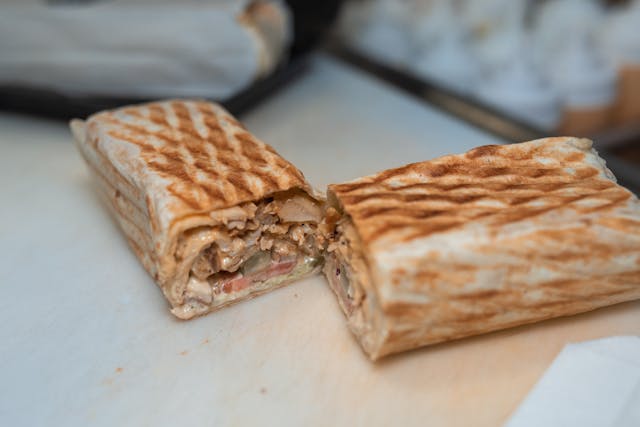
According to the U.S. Department of Agriculture’s Food Safety and Inspection Service (FSIS), one of Trader Joe’s fall favorite sandwiches, the Turkey Gobbler Wrap, may be contaminated with Listeria monocytogenes, a potentially dangerous bacteria that can cause severe illness.

The 10-ounce wrap — packaged in clear clamshell containers and labeled with a “BEST BY SEP 16, 2025” date and establishment number “P-1644” inside the USDA inspection mark — was produced on September 10 by WCD Kitchen – Minooka in Illinois and shipped to stores nationwide, according to the FSIS.

While no illnesses have been linked to the product so far, FSIS explained the alert was issued out of caution after routine monitoring found listeria on food-contact surfaces tied to the wrap. The agency did not request a full recall since the product is no longer available for purchase, but warned that some units may still be in customers’ homes. “Consumers who purchased this product are advised not to eat it,” FSIS said. Instead, customers should throw it away or return it to Trader Joe’s for a refund.

Listeriosis can be especially dangerous for vulnerable populations, and symptoms include fever, muscle aches, headaches, confusion, and gastrointestinal issues, which can take weeks to appear after consuming contaminated food.

Customers with questions about the Turkey Gobbler Wrap can reach Trader Joe’s Customer Relations at 626-599-3817, Monday through Friday, or call the USDA Meat and Poultry Hotline at 888-674-6854. FSIS also accepts consumer complaints online through its Electronic Consumer Complaint Monitoring System.


Contributor: Jane LaCroix – Parade.com

Recalls Just Announced For 5 Popular Foods

Recalls Just Announced For 5 Popular Foods

Claremont Colonic

Five major food recalls were just announced. Check your fridge and pantry before you eat.

It’s always essential to stay up-to-date on product recalls. While most recalled products likely won’t land you in the hospital, some may harm your health. Recently, a handful of major recalls have impacted food that many of us eat. Here are recalls just announced for 5 popular foods.

1. Country Eggs

Country Eggs, LLC, recalled large brown eggs sold in two states due to possible Salmonella contamination. Ninety-five people across 14 states were affected, and 18 were hospitalized. Large Brown Cage-Free “sunshine” or “Omega-3 Golden” Yolk Eggs sold by the dozen in California and Nevada under the brand names Nagatoshi Produce, Misuho, and Nijiya Market were recalled.

2. Cocktail Shrimp

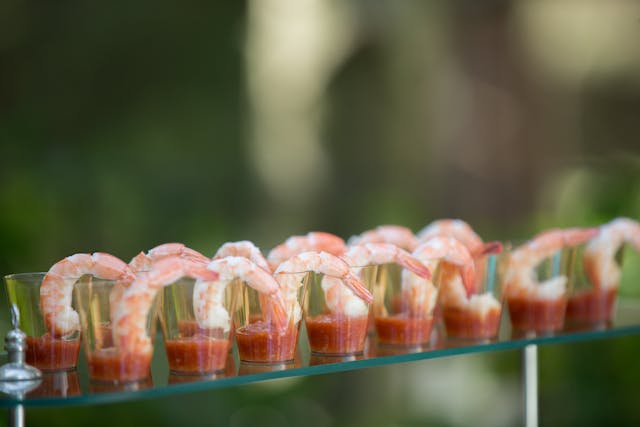
Aquastar (USA) Corp recalled Cocktail Shrimp 6oz because of possible health risks. The shrimp are possibly contaminated with Cs-137, a man-made radioisotope of cesium, which can cause an elevated risk of cancer. They were sold at Walmart stores in Alaska, Alabama, Arkansas, Colorado, Georgia, Iowa, Idaho, Illinois, Kansas, Kentucky, Louisiana, Michigan, Minnesota, Missouri, Mississippi, Montana, North Dakota, Nebraska, Ohio, Oklahoma, Oregon, South Dakota, Tennessee, Texas, Washington and Wisconsin. “Walmart and Sam’s Club are committed to the health and safety of our customers and members and to providing products that are safe and compliant, all supported by our health and wellness, product safety, and food safety professionals,” the company said in a statement. “In the event of a product recall, we work swiftly to block the item from being sold and remove it from our stores and clubs.”

3. Hostess Ding Dongs

Hostess Ding Dongs were pulled from shelves nationwide on Aug. 20 due to possible mold contamination. This may have been the effect of a mechanical description during production, creating conditions that made the pastries susceptible to mold growth before the products’ expiration dates. Recalled Ding Dongs should be thrown away or returned for a refund or replacement.

4. Salad Kits

Taylor Fresh Foods recalled Taylor Farms Honey Balsamic Salad Kit 6/8.3oz. According to the recall, the premade salads contain undeclared sesame and soy. The products were sold at Walmart stores in Alabama, Arkansas, Delaware, Kentucky, Louisiana, Maryland, Missouri, Mississippi, New Jersey, New York, Oklahoma, Pennsylvania, Tennessee, and West Virginia.

5. Blue Bell Ice Cream

Blue Bell Creameries recalled over 16,000 tubs of ice cream in 16 states due to a dangerous labeling error. Moo-llennium Crunch Ice Cream was packaged in Chocolate Chip Cookie Dough cartons. Therefore, the cartons did not list almond, walnut, and pecan allergens. The product is safe to eat, unless you have an allergy or sensitivity to nuts.


Contributor: Eat This, Not That!