
'Fibermaxxing' is having a moment
(and for good reason)
This is how much fiber you should eat per day
Move aside, protein.
Fiber is having its moment, and rightfully so. Fiber is a plant-based carbohydrate that the body does not break down into glucose. Translation? It helps keep us full for longer. It’s often found in foods like oats, beans, lentils, nuts, apples, seeds and other vegetables, and a key part of a healthy diet. Eating higher amounts of fiber has been associated with a lowered risk of cardiovascular disease and death, Type 2 diabetes and other conditions, research shows.
But most adults aren’t getting enough of it. The vast majority of people who eat Westernized diets fall short of their recommended daily fiber, says Ashley Koff, registered dietitian from West Linn, Oregon, at The Better Nutrition Program. She also shares that people eating enough fiber might not be getting the optimal benefits because they aren’t eating a diversity of types of fiber.
Here’s what to know if you want to jump on the “fibermaxxing” trend, or simply eat a balanced diet.
How many grams of fiber per day?
Mayo Clinic recommends 14 grams of fiber per 1,000 calories you eat, for everyone from toddlers through adults. “The general recommendation hovers around 25-30 grams per day for adults, with a gender nod to more for men,” Koff says. She also encourages people to note how much fiber they are getting with each “pit stop,” meaning meals and snacks.
“I recommend a goal of 7 grams per pit stop as a more effective tool for satiety, blood sugar,” she says. That’s also better for “overall gut health than trying to hit a big number at the start or end of the day.”
If you are noticing that you aren’t getting enough, Koff recommends taking it slow as you up your fiber intake.
The types of fiber to eat throughout the day
Koff says it should be called “fibers” not “fiber,” to help improve education that there are actually three types: insoluble, soluble and resistant starches.
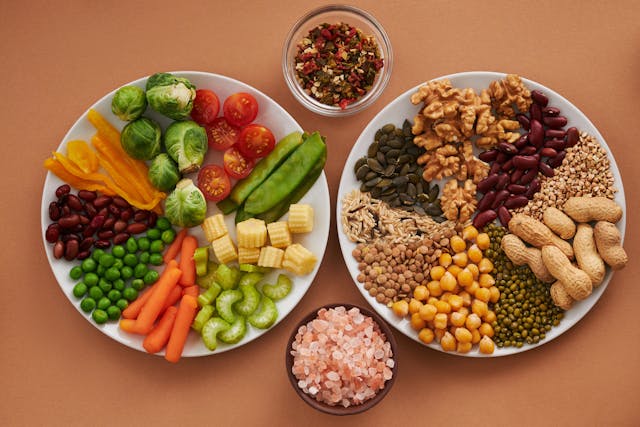
“To get in a variety of fibers, I suggest the rainbow of fruits and vegetables, eating the skins and then choosing other fiber-rich foods like seeds, nuts, grains and legumes,” she says. “Yes, we can use a fiber supplement to help meet our pit stop goals but quality and type matter.”
Overall, prioritizing a diet of whole foods will help you get a variety of fibers.
How to start getting more fiber
You can work toward getting more fiber starting at your very next meal. “Pick the pit stop where you are lowest or low on (<7g) of fiber and identify a delicious option or a supplement to increase your fiber," Koff says. She recommends doing that for a week on most days and monitoring outcomes. "Do you notice better energy? If wearing a continuous glucose monitor, do you notice better blood sugar? Are your cravings better or do you feel full sooner? But also are you more constipated or bloated?" she says, which can be a side effect of fiber intake.
She shares some ideas to increase fiber intake:
Koff encourages her clients, “better, not perfect – small, consistent changes make a big impact.”
Contributor: Alexandra Frost – USA Today
Fiber is having its moment, and rightfully so. Fiber is a plant-based carbohydrate that the body does not break down into glucose. Translation? It helps keep us full for longer. It’s often found in foods like oats, beans, lentils, nuts, apples, seeds and other vegetables, and a key part of a healthy diet. Eating higher amounts of fiber has been associated with a lowered risk of cardiovascular disease and death, Type 2 diabetes and other conditions, research shows.
But most adults aren’t getting enough of it. The vast majority of people who eat Westernized diets fall short of their recommended daily fiber, says Ashley Koff, registered dietitian from West Linn, Oregon, at The Better Nutrition Program. She also shares that people eating enough fiber might not be getting the optimal benefits because they aren’t eating a diversity of types of fiber.
Here’s what to know if you want to jump on the “fibermaxxing” trend, or simply eat a balanced diet.
How many grams of fiber per day?
Mayo Clinic recommends 14 grams of fiber per 1,000 calories you eat, for everyone from toddlers through adults. “The general recommendation hovers around 25-30 grams per day for adults, with a gender nod to more for men,” Koff says. She also encourages people to note how much fiber they are getting with each “pit stop,” meaning meals and snacks.
“I recommend a goal of 7 grams per pit stop as a more effective tool for satiety, blood sugar,” she says. That’s also better for “overall gut health than trying to hit a big number at the start or end of the day.”
If you are noticing that you aren’t getting enough, Koff recommends taking it slow as you up your fiber intake.
The types of fiber to eat throughout the day
Koff says it should be called “fibers” not “fiber,” to help improve education that there are actually three types: insoluble, soluble and resistant starches.
“To get in a variety of fibers, I suggest the rainbow of fruits and vegetables, eating the skins and then choosing other fiber-rich foods like seeds, nuts, grains and legumes,” she says. “Yes, we can use a fiber supplement to help meet our pit stop goals but quality and type matter.”
Overall, prioritizing a diet of whole foods will help you get a variety of fibers.
How to start getting more fiber
You can work toward getting more fiber starting at your very next meal. “Pick the pit stop where you are lowest or low on (<7g) of fiber and identify a delicious option or a supplement to increase your fiber," Koff says. She recommends doing that for a week on most days and monitoring outcomes. "Do you notice better energy? If wearing a continuous glucose monitor, do you notice better blood sugar? Are your cravings better or do you feel full sooner? But also are you more constipated or bloated?" she says, which can be a side effect of fiber intake.
She shares some ideas to increase fiber intake:
- Add one extra serving of non-starchy vegetables, such as vegetable toppings on pizza or turning your burger into a burger bowl.
- Add a serving of berries or a kiwi to a meal or snack.
- Add spinach in your morning eggs.
- Swap hemp seeds for croutons on soup or salad.
- Add 1 to 2 tablespoons of chia or ground flax seeds to your smoothie or yogurt bowl.
Koff encourages her clients, “better, not perfect – small, consistent changes make a big impact.”
Contributor: Alexandra Frost – USA Today