Wellness Companies Eager to Avoid WeightWatchers’ Fate Embrace Weight-Loss Drugs

Wellness Companies Eager to Avoid WeightWatchers’ Fate Embrace Weight-Loss Drugs

Claremont Colonic
Health and wellness companies are embracing weight-loss drugs and building offerings around them in an effort to avoid the fate of WeightWatchers, which declared bankruptcy this week, citing vastly increased use of the new blockbuster medicines.
But some of WeightWatchers’ closest rivals, newer telehealth companies, face a new challenge of their own as federal regulators crack down on the cheaper versions of Novo Nordisk’s (NOVOb.CO)

WeightWatchers filed for bankruptcy on Tuesday, as Americans shunned its weight management business in favor of the Novo and Lilly drugs and copies from pharmacies that can cut a person’s weight by 15%-20%. The drugs, from a class of digestion-slowing medicines known as GLP-1 agonists, have eaten into demand at some big companies, including Walmart’s (WMT.N)

WeightWatchers, when it filed for bankruptcy, said its weight management system stopped being attractive to customers given changing views about weight versus wellness, competition from telehealth companies fully embracing the weight-loss drugs, and even fitness influencers on TikTok. The company has an agreement with creditors to restructure its debt and quickly exit the court process.

Adam McBride, CEO of Telehealth company Eden, said WeightWatchers, which tried to pivot to telehealth and sell weight-loss drugs, had an old school system that relied on points and in-person gatherings that customers didn’t like. “I don’t think that they were listening to their members,” McBride said.

Eden and rival Noom both operate weight-focused telehealth platforms with integrated lifestyle coaching – something WeightWatchers struggled with.

The newer companies have been selling unbranded versions of the in-demand weight-loss medications as part of their offerings.

Clinical subscriptions that provide access to clinicians and prescription drugs make up over half of Noom’s revenue, said CEO Geoff Cook.

Noom presents the drugs as a kind of superpower weight-loss tool, which the company said then drives customers to other parts of its platform.

“In the last month or two, people who are taking the meds are actually logging more meals,” said Noom’s CEO. “They’re weighing in more and they’re engaging in the other aspects of the Noom program at a rate that’s even better than the flagship program.”

WEIGHT-LOSS DRUG BANDWAGON

Other health companies see room for products and services that take advantage of the popularity of new weight-loss drugs, which some analysts forecast will have annual sales of $150 billion in the next decade.

Health retailer The Vitamin Shoppe has seen a spike in demand for supplements that could help with loss of appetite, decreasing muscle tone, and other GLP-1 side effects, said President Muriel Gonzalez. Sales of a set of supplements marketed to people taking such drugs jumped more than 20% from a year ago, a company spokesman said.

Last year, The Vitamin Shoppe launched a telehealth service, Whole Health Rx, that connects consumers with medical providers who can prescribe weight-loss drugs and recommend supplements to give people protein, fiber and multi-vitamins while on them.

Other companies have made similar moves. Supplement-seller GNC, looking to capitalize on the trend, last year added a section in stores dedicated to GLP-1 users, selling protein powder and fiber.

WeightWatchers itself is still trying to pivot. A spokesperson said in a statement that the GLP-1 drugs for weight loss are a growing and essential part of its business. It said its program works, citing an internal study in which its clinic patients taking GLP-1 drugs lost 21% of their weight and then transitioned to its behavioral program and lost another 2% after 13 weeks.

But easy sales of cheaper versions of the drugs are ending, even as lawsuits remain. The U.S. Food and Drug Administration is blocking sales of cheaper compounded versions of the drugs now that Wegovy and Zepbound and their related diabetes medicines — Ozempic and Mounjaro — are no longer in shortage.

Selling cheaper versions of the drugs has been a huge profit driver for these companies, and the loss is an issue, said Morningstar healthcare analyst Karen Andersen.

One path forward for wellness companies is to work with brand name drugmakers, Andersen said. “Companies like Novo, they need partners that have access to patients,” she said. But finding creative ways to partner with key competitors is no small task, she added. “It will be a rocky path.”


Contributors: Amina Niasse and Nicholas P. Brown – Reuters
These 5 Foods Will Stop Your Brain from Shrinking

These 5 Foods Will Stop Your Brain from Shrinking

Claremont Coloni and Nutrient Resource Clinic
My educational background is in psychology and neuroscience. I’m a brain research junkie and read the latest studies each and every week.

For the past three years or so, I have focused my attention on neurodegenerative diseases — mainly Alzheimer’s and Parkinson’s. As I became more interested in nutrition, I began to focus more on the impact that diet (and other lifestyle factors) have on the brain.
Just as the foods you eat influence your heart, kidneys, liver and all other major organs, your brain is also impacted by what you put in your body. Treat it right, and you may be able to stave off future neurological complications, including the development of neurodegenerative diseases.

Study finds link between diet and brain size

If you look at the available research, there are numerous studies that show a clear connection between a nutrient-rich diet and brain size, as well as brain functionality. This is particularly the case when eating a Mediterranean diet.

This month, a new study was published in Neurology. After studying 4,213 people in the Netherlands, it was found that diet may have a profound effect on the brain. The average age of these participants was 66 years old (none of the participants were living with dementia at the time of the study).

After filling out a questionnaire based on their intake of 400 items in the past month, the researchers focused their attention on diet quality. More specifically, they examined the participants’ intake of fruit, vegetables, legumes, whole grain products, nuts, fish, dairy, tea, unsaturated fats and oils, processed and red meat, alcohol, salt and sugary beverages.

The participants were then each ranked based on the quality of their diet. They were given a score between zero and 14. The average score was seven. Following this analysis, all participants underwent an MRI scan. Measuring a number of metrics, the average brain volume was found to be 932 milliliters.

After adjusting for other variables (sex, education, age, smoking and physical activity), it was found that a higher diet score was linked to a larger brain volume. In previous studies, those with a greater brain volume were shown to have higher levels of cognition.

Overall, those who consumed a healthier diet had an average of two more milliliters of total brain volume in comparison to those who did not eat a healthy diet. To put this in perspective, a brain volume that is 3.6 millimeters smaller equates to one year of aging.

These five foods can help reduce brain shrinkage

The study above is not the first of its kind and it won’t be the last. In fact, past research shows that a diet rich in key vitamins, minerals and fats can stop the brain from shrinking. In comparison, eating “junk food” has the opposite effect.

Starting today, consume more of the following five foods while maintaining a balanced, active lifestyle.

1. Wild-caught fish

Unlike farmed fish, wild-caught fish is not as heavily exposed to toxins, antibiotics and other harmful chemicals. Known to offer the body and mind essential omega-3 fatty acids, fish may also reduce brain shrinkage. In one key study, it was found that adults who took fish oil, who had not yet developed Alzheimer’s, experienced less brain shrinkage and cognitive decline in comparison to those not taking fish oil.

2. Dark leafy greens

It was recently found that kale and other dark leafy green vegetables may help keep the brain up to 11 years younger. As published in Neurology, older people who ate at least one serving of leafy greens daily, experienced lower rates of decline on tests of thinking skills and memory. High in folate and B-12, these B-complex vitamins have been shown to reduce brain shrinkage across time.

3. Olive oil

A staple of the Mediterranean diet, quality olive oil has been shown to protect brain tissue. Not only has it been attributed to less brain shrinkage, but also healthier neurons. Loaded with anti-inflammatory and antioxidants properties, olive oil is also believed to reduce the risk of genetic mutations in the brain.

4. Nuts

Nuts provide your body with a range of key nutrients, including healthy fats and vitamin E (which is high in hazelnuts and almonds). Walnuts are one of the top nuts for brain health, and just one-quarter of a cup provides nearly 100 percent of your daily recommended DHA (an omega- 3 fatty acid found in the human brain, skin, retina and cerebral cortex). Brazil nuts are also highly recommended.

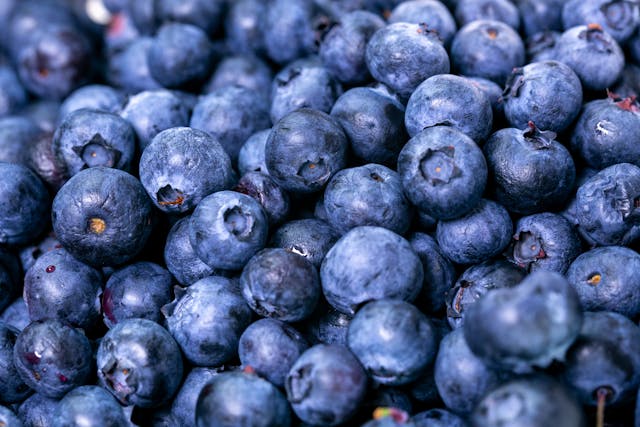
5. Blueberries

When it comes to inflammation, blueberries can act as a natural line of defense. Also, based on their high concentration of antioxidants, these little nutritional powerhouses are believed to protect brain cells from damage. The research shows that the regular consumption of blueberries is linked to increased blood flow to the brain. It has also been found that blueberries help protect against (and in some cases reverse) cognitive loss due to brain injury, stroke and normal aging.

When it comes to your neurological health, it is also important to note that there appears to be a significant connection between heart and brain health. This means that you should address and properly manage any cardiovascular conditions, including hypertension and diabetes.

On that note, I’m going to leave you with this quote from T. Colin Campbell, one of my favorite American biochemists. He is also a nutrition educator and once said, “Good nutrition creates health in all areas of our existence. All parts are interconnected.”

Feed your body and mind what it needs, and it will help you take care of the rest!


Contributor: Krista Hillis – Alternative Daily

US Fertility Rate Hovers Near Record Low as Trump Administration Pushes for a Baby Boom

US Fertility Rate Hovers Near Record Low as Trump Administration Pushes for a Baby Boom

Claremont Colonic Center
Women in the United States are less likely to have babies than ever before, but key figures in the Trump administration seem keen on changing that – even as federal programs focused on reproductive health face significant upheaval.
About 3.6 million babies were born in the US in 2024, according to a new report by the US Centers for Disease Control and Prevention. The fertility rate last year – 54.6 births for every 1,000 women of reproductive age – increased less than 1% from the record low in 2023, hovering well below rates from years earlier.

The US fertility rate has been trending down for decades, with a particularly steep dip after the Great Recession of 2008. An uptick in 2021 spurred theories about a Covid-19 “baby bump,” but the rate quickly returned to its more consistent downward pattern.

Experts say that year-to-year movement in the fertility rate tends to be incremental and that a single year of change – such as this year’s slight increase – does not indicate a shift in the long-term trend.

But the latest provisional data, published Wednesday by the CDC’s National Center for Health Statistics, also shows that births continue to shift to older mothers. The fertility rate was highest among women in their early 30s in 2024, with more than 95 births for every 1,000 women ages 30 to 34.

Meanwhile, teen births and births among women in their early 20s declined to record lows last year, the report shows. There were less than 13 births for every 1,000 teen girls, a 3% drop from 2023. And the birth rate for women ages 20 to 24 – about 56 births for every 1,000 women – was just slightly above the rate for women in their late 30s.

The small increase in births last year – about 27,000 more than in 2023 – was driven by higher birth rates among Asian and Hispanic women, while rates decreased among Black, White and American Indian women.

Experts say there are many reasons why women may be waiting to have kids or not having them all, with decisions shaped by socioeconomic circumstances and people’s broader experiences with reproductive health.

The US is facing a maternal health care crisis, with more than a third of the country in a maternal health care desert and a strikingly high rate of maternal death, especially among Black women. Research also suggests that abortion bans in the US are exacerbating existing health disparities as births increase in high-risk populations and infant mortality rises disproportionately.

Coming amid the fertility slump is a rise in pronatalist rhetoric by some officials surrounding President Trump, but those pushing for a higher birth rate in the US have not laid out a clear plan for how to support women, babies and families.

Elon Musk, who leads the Department of Government Efficiency, has said the low birth rate keeps him up at night.

“Humanity is dying,” he told Fox News last month.

Vice President JD Vance supported anti-abortion activists at a March for Life rally in January, days after being sworn in, and made his goal clear.

“Our society has failed to recognize the obligation that one generation has to another as a core part of living in a society,” he said. “So let me say very simply, I want more babies in the United States of America.”

And Transportation Secretary Sean Duffy sent a memo in March promising more funding to places with higher birth rates.

In 2023, Trump said he wanted “a baby boom” in the US. During the 2024 presidential campaign, he called himself the “father of IVF,” and he signed an executive order in February to develop policy recommendations to expand access to and affordability of in vitro fertilization.

But federal programs focused on reproductive health have taken a heavy hit as Musk’s department leads sweeping changes in the federal government.

Two-thirds of the CDC’s Division of Reproductive Health has been cut, according to a source who was part of the division and requested anonymity because of fear of retaliation. Programs focused on abortion surveillance, contraception guidelines, IVF surveillance, pregnancy risk assessment and more were among those that lost entire teams, with no plans to maintain them.

The US Department of Health and Human Services said Tuesday that maternal and reproductive health programs will continue under the new Administration for a Healthy America but offered no further details.


Contributor: Deidre McPhillips, CNN

15 Foods That Boost the Immune System

15 Foods That Boost the Immune System

Claremont Colonic Center
Regularly eating a variety of nutritious foods rich in vitamins and minerals, such as citrus fruits, spinach, red peppers, and ginger may help boost your immune system.
Immune system boosters

Feeding your body certain foods may help keep your immune system strong.

If you’re looking for ways to prevent colds, the flu, and other infections, your first step should be a visit to your local grocery store. Plan your meals to include these 15 powerful immune system boosters.

1. Citrus fruits

Most people turn straight to vitamin C after they’ve caught a cold. That’s because it helps build up your immune system.

Vitamin C is thought to increase the production of white blood cells, which are key to fighting infections.

Most citrus fruits are high in vitamin C. With such a variety to choose from, it’s easy to add a squeeze of this vitamin to any meal.

Popular citrus fruits include:

grapefruit
oranges
clementines
tangerines
lemons
limes

Because your body doesn’t produce or store it, you need daily vitamin C for continued health. The recommended daily amount for most adults is:

75 mg for women
90 mg for men

If you opt for supplements, avoid taking more than 2,000 milligrams (mg) a day.
Also keep in mind that while vitamin C might help you recover from a cold quicker, there’s no evidence yet that it’s effective against COVID-19.

2. Red bell peppers

Ounce for ounce, red bell peppers contain almost 3 times as much vitamin C (127 mg) as a Florida orange (45 mg). They’re also a rich source of beta-carotene.

Besides boosting your immune system, vitamin C may help you maintain healthy skin. Beta-carotene, which your body converts into vitamin A, helps keep your eyes and skin healthy.

3. Broccoli

Broccoli is supercharged with vitamins and minerals. Packed with vitamins A, C, and E, as well as fiber and many other antioxidants, broccoli is one of the healthiest vegetables you can put on your plate.

The key to keeping its power intact is to cook it as little as possible — or better yet, not at all. Research has shown that steaming or microwaving are the best ways to keep more nutrients in the food.

4. Garlic

Garlic adds flavor to food and has long been used for medicinal purposes.

Early civilizations recognized its value in fighting infections. Garlic may also slow down hardening of the arteries, and people use it to treat high blood pressure.

Garlic’s immune-boosting properties seem to come from a heavy concentration of sulfur-containing compounds, such as allicin.

5. Ginger

Ginger is another ingredient many turn to after getting sick. Ginger may help decrease inflammation, which can help reduce a sore throat and inflammatory illnesses. It may also help with nausea.

While it’s used in many sweet desserts, ginger packs some heat in the form of gingerol, a relative of capsaicin.

Ginger may also decrease chronic pain and might even possess cholesterol-lowering properties.

6. Spinach

Spinach made our list not just because it’s rich in vitamin C — it’s also packed with numerous antioxidants and beta-carotene, which may both increase the infection-fighting ability of our immune systems.

Similar to broccoli, spinach is healthiest when cooked as little as possible so that it retains its nutrients. However, light cooking makes it easier to absorb the vitamin A and allows other nutrients to be released from oxalic acid, an antinutrient.

7. Yogurt

Look for yogurts that have the phrase “live and active cultures” printed on the label, like Greek yogurt. These cultures may stimulate your immune system to help fight diseases.

Try to get plain yogurts rather than the kind that are flavored and loaded with sugar. You can sweeten plain yogurt yourself with healthy fruits and a drizzle of honey instead.

Yogurt can also be a great source of vitamin D, so try to select brands fortified with this vitamin. Vitamin D helps regulate the immune system and is thought to boost our body’s natural defenses against diseases.

Clinical trials are even in the works to study its possible effects on COVID-19.

Research so far suggests that vitamin D deficiency may increase the risk for COVID19 and the severity of disease progression in people with the infection. Experts therefore believe supplementation may protect people with a vitamin D deficiency. However, there is no evidence that vitamin D can treat a COVID19 infection.

8. Almonds

When it comes to preventing and fighting off colds, vitamin E tends to take a backseat to vitamin C. However, this powerful antioxidant is key to a healthy immune system. It’s a fat-soluble vitamin, which means it requires the presence of fat to be absorbed properly. Nuts, such as almonds, are packed with the vitamin and also have healthy fats.

Adults only need about 15 mg of vitamin E each day. A half-cup serving of almonds, which is about 46 whole, shelled almonds, provides around 100% of the recommended daily amount.

9. Sunflower seeds

Sunflower seeds are full of nutrients, including phosphorous, magnesium, and vitamins B6 and E.

Vitamin E is important in regulating and maintaining immune system function. Other foods with high amounts of vitamin E include avocados and dark leafy greens.

Sunflower seeds are also high in selenium. Just 1 ounce contains nearly half the selenium that the average adult needs daily. A variety of studies, mostly performed on animals, have looked at its potential to combat viral infections such as swine flu (H1N1).

10. Turmeric

You may know turmeric as a key ingredient in many curries. This bright yellow, bitter spice has also been used for years as an anti-inflammatory in treating both osteoarthritis and rheumatoid arthritis.

Research shows that high concentrations of curcumin, which gives turmeric its distinctive color, can help decrease exercise-induced muscle damage. Curcumin has promise as an immune booster (based on findings from animal studies) with antimicrobial properties. More research is needed.

11. Green tea

Both green and black teas are packed with flavonoids, a type of antioxidant. Where green tea really excels is in its levels of epigallocatechin gallate (EGCG), another powerful antioxidant.

Research has suggested that EGCG may have antiviral properties that support the immune system. The fermentation process black tea goes through destroys a lot of the EGCG. Green tea, on the other hand, is steamed and not fermented, so the EGCG is preserved.

12. Papaya

One small papaya contains 100% of the daily recommended amount of vitamin C. Papayas also have a digestive enzyme called papain that has anti-inflammatory effects.

Papayas have decent amounts of potassium, magnesium, and folate, all of which are beneficial to your overall health.

13. Kiwi

Like papayas, kiwis are a rich source of essential nutrients, including folate, potassium, vitamin K, and vitamin C.

Vitamin C boosts the white blood cells to fight infection, while kiwi’s other nutrients keep the rest of your body functioning properly.

14. Poultry

When you’re sick, and you reach for chicken soup, it’s more than just the placebo effect that makes you feel better. The soup may help lower inflammation, which could improve symptoms of a cold.

Poultry, such as chicken and turkey, is high in vitamin B6. About 3 ounces of light turkey or chicken meat contains nearly one-third of your daily recommended amount of B6. Vitamin B6 is an important player in many of the chemical reactions that happen in the body. It’s also vital to the formation of new and healthy red blood cells.

Stock or broth made by boiling chicken bones contains gelatin, chondroitin, and other nutrients helpful for gut healing and immunity.

15. Shellfish

Shellfish isn’t what jumps to mind for many who are trying to boost their immune system, but some types of shellfish provide zinc, a nutrient that supports immune function.

Varieties of shellfish that are high in zinc include:

oysters
crab
lobster
mussels

Keep in mind that you don’t want to have more than the daily recommended amount of zinc in your diet:

11 mg for adult men
8 mg for most adult women

Too much zinc can actually inhibit immune system function.

Frequently asked questions

How can you boost your immune system quickly?

Boosting your immune system quickly isn’t possible, but the sooner you get started with a few lifestyle changes, the sooner you may improve your overall well-being and, ultimately, your immune system. You may want to focus on eating a balanced diet with plenty of fresh foods and whole grains, engage in at least 150 minutes of physical activity per week, get enough sleep, manage stress with deep breathing or talk therapy, avoid or quit smoking, and limit alcohol consumption.

Does vitamin C increase white blood cell count?

Preliminary research suggests vitamin C may be involved in the development and function of white blood cells. It seems vitamin C may improve the reproduction of B- and T-cells, which are important white blood cells for the immune system. The amount of vitamin C needed for increasing white blood cells may depend on the condition and overall health needs. More research in humans is needed to better understand the link between vitamin C and white blood cells.

How do you increase white blood cell count?

To raise your white blood cell count, you may want to avoid alcohol and tobacco use, take Omega-3s and zinc, and eat a balanced diet. For example, a 2021 study found that the Mediterranean diet had an effect on the white blood cell counts of adults at risk for cardiovascular disease.

Depending on the cause of low white blood cells, you may also need to take medications like myeloid growth factors.

What foods help fight viruses?

Antiviral foods may include fermented vegetables (kimchi), fermented milk (yogurt and kefir), herbs (oregano, fennel, peppermint, and aloe vera), garlic, ginger, turmeric, black cumin, cinnamon, licorice root, mushrooms, and citrus fruits.

What foods help fight infections?

Some foods may boost your immune system while others will help with their antimicrobial properties. This means they may help fight bacteria, viruses, and other pathogens that cause infections. Examples include herbs and spices (oregano, cinnamon, clove, and rosemary), cruciferous vegetables (kale and rutabaga), citrus fruits, parsley, and a wide range of other plant-based foods.

What vegetables are good for the immune system?

Eating a variety of vegetables may help you boost your immune system. Red peppers, spinach, and broccoli are good choices, as well as ginger, turmeric, and garlic.

Can bananas boost your immune system?

Eating all types of fresh fruits regularly may help your immune system function well. Bananas, in particular, contain a substance called lectin. One study in rodents found that banana lectin may enhance the immune system.

Summary

Fresh foods can provide our bodies with the nutrients our immune system needs to work correctly. You need a variety of fruits, vegetables, whole grains, herbs, and spices in your diet to enable your body to stay as healthy as possible.

Good choices of foods to boost the immune system include citrus fruits, spinach, almonds, papaya, and green tea.

It’s worth remembering though, that diet alone can’t keep us healthy. It’s also essential to exercise, maintain a moderate weight, and limit habits such as smoking and a high alcohol intake.

Although eating a balanced diet is key to boosting your immunity, foods alone cannot and should not replace medical treatment, unless your healthcare professional recommends it.


Contributor: James Schend – Healthline.com