
This Coffee Alternative is Great for Digestion, Heartburn and Arthritis

This Coffee Alternative is Great for Digestion, Heartburn and Arthritis

Claremont Colonic Newsletter
Chicory is best known as an alternative to coffee – the substitute is made from the root, which is dried and roasted until brown. When ground it can be brewed just like coffee, though it lacks its volatile oils, aromatic flavor, caffeine and tannic acid that help make java such a popular beverage. Adding chicory to coffee gives it a bitter taste as well as counteracting the stimulant effect of caffeine.
This woody, herbaceous plant grows well in a variety of conditions, and is commonly spotted on European roadsides, where it originated, though it can now be widely found in the Americas as well. Chicory offers a wide range of health benefits and has been used for centuries as an herbal remedy for many different conditions.

In addition to easing digestive issues, it can help prevent heartburn, decrease the pain of arthritis, detoxify the liver and gallbladder, prevent bacterial infections, boost the immune system and reduce the risk of heart disease. It’s a natural sedative, and can even aid weight loss efforts.

Chicory is also a rich source of vitamins and minerals, including zinc, magnesium, manganese, calcium, iron folic acid and potassium, as well as vitamins A, B6, C, E and K. Studies, including research from the University of Pécs, Hungary Medical School, found that chicory’s high phenolic content, a type of antioxidant, offers protective effects on the cardiovascular system.

One of chicory’s main attributes as a food source is a high content of inulin, which is a type of soluble fiber. It’s not affected by the digestive enzymes of the stomach, therefore passing to the colon where it’s metabolized by bacteria, stimulating their growth.

The long-time use of chicory root as a laxative and diuretic is believed to be due to its high inulin content – the herb is even approved for use as a treatment for a variety of digestive disorders in Germany, including heartburn, bloating and loss of appetite.

Chicory drink in two white cupInulin is also considered to be a powerful probiotic. It is used to battle a wide range of intestinal and digestive concerns, including indigestion, constipation, heartburn and acid reflux as it is able to reduce acidity in the body.

It’s important not to consume too much, as it can have the opposite effect similar to consuming an excess of any fiber, such as gas/bloating, stomach cramping, constipation or diarrhea. Renowned physician Dr. Weil suggests drinking a cup of chicory “coffee” per day, made from two to four grams of the root in about ⅔ cup of boiling water, steeped for ten minutes and then strained.


Contributor: The Alternative Daily
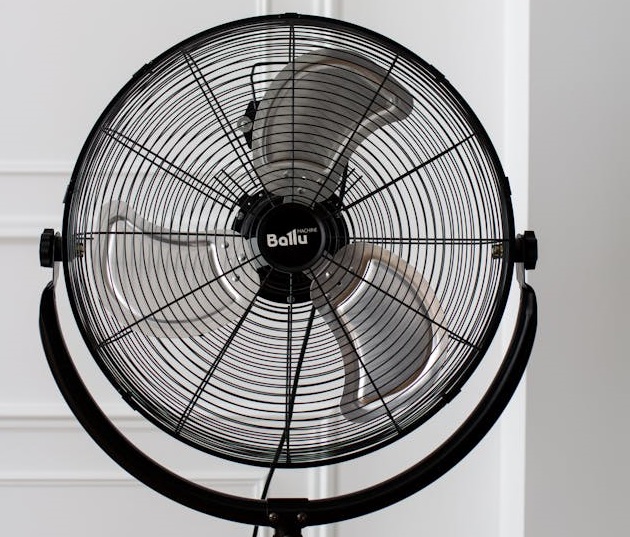
How to Cool Down Without AC

How to Cool Down Without AC

Claremont Colonic Newsletter
Whether you’re without power, enduring extreme heat or trying to save money, there are ways to feel comfortable without artificial cooling.
Heat can foster fun summer activities, but the body shouldn’t be too hot for too long, as too much heat can harm your brain and other organs, according to the US National Institutes of Health. Sweating is the body’s natural cooling system, but when that’s not enough, there’s increased risk for developing the heat-related illness hyperthermia — signs of which include heat cramps, heat edema and heat stroke. Heat combined with high humidity exacerbates this risk, since the air’s saturation level makes sweat accumulate on the skin, preventing the body from cooling naturally.

Staying cool can be done by using some basic supplies and knowing how to manipulate your home to control its temperatures. Here are 14 methods for doing so.

Stay hydrated

When you’re hot and flushed, hydrating yourself is the first and foremost step to cooling down, said Wendell Porter, a senior lecturer emeritus in agricultural and biological engineering at the University of Florida.

The temperature of the water doesn’t matter since your body will heat it, he added. If your body is suffering from the heat and needs to cool itself, it can’t do that without enough moisture, since the body cools itself by sweating.

Take a cold shower or bath

Taking a cold shower or bath helps cool your body by lowering your core temperature, Porter said.

For an extra cool blast, try peppermint soap. The menthol in peppermint oil activates brain receptors that tell your body something you’re eating or feeling is cold.

Use cold washrags on your neck or wrists

Place a cold washrag or ice bags (packs) on your wrists or drape it around your neck to cool your body. These pulse points are areas where blood vessels are close to the skin, so you’ll cool down more quickly.

Use box fans

Place box fans facing out of the windows of rooms you’re spending time in to blow out hot air and replace it with cold air inside.

If the weather in your area tends to fall between 50 and 70 degrees Fahrenheit in the mornings and evenings, opening the windows on both sides of the house during those times can facilitate a cross-flow ventilation system. If you do this, you can opt to use or not use the fans, but the fans would help cool the house faster, Porter said. The outdoors can pull the hot air from your home, leaving a cooler temperature or bringing in the breeze. Just be sure to close windows as the sun comes out, then open them when the weather is cool again.

Just resting near a fan would reduce your body temperature as well.

Close your curtains or blinds

If you have windows that face the sun’s direction in the morning through afternoon, close the curtains or blinds over them to “keep the sun from coming directly into the house and heating up (the) inside,” Porter said.

You could also install blackout curtains to insulate the room and reduce temperature increases that would happen during the day.

If you do turn the air conditioning on, don’t set it below 70 degrees Fahrenheit in an effort to cool the house faster, said Samantha Hall, founder of Spaces Alive, an Australia-based design research company helping to create healthy, sustainable buildings.

“It just runs for longer to reach that temp and will keep going until you start to feel a bit chilly and is then hard to balance,” she added. Instead, keep the unit temperature as high as possible while still comfortable.

Sleep in breathable linens

Cotton is one of the most breathable materials, so cotton sheets or blankets could help keep you cool through the night.
The lower the thread count of the cotton, the more breathable it is, Porter said. That’s because higher thread counts have more weaving per square inch.

Sleep in the basement

If you can’t sleep through the night because you’re too hot, try sleeping somewhere besides your bedroom, if that’s an option. Heat rises, so if you have a lower or basement level in your home, set up a temporary sleeping area there to experience cooler temperatures at night.

Don’t refrigerate or freeze blankets or clothing

Common advice for staying cool without air conditioning includes refrigerating or freezing wet socks, blankets or clothing then ringing them out to wear while you sleep. But this isn’t a good idea, Porter said.

Because of “the amount of energy they can absorb from your body that night, they will be warm in just a matter of minutes,” he said. “And then you’d have damp stuff that would mold your mattress. So you definitely don’t want to do that.”

Close the doors of unused rooms

If no one’s using a room that doesn’t have vents or registers, close the door to that area to keep the cool air confined to only occupied areas of the house.

Use the exhaust fan in your kitchen and/or bathroom

Flip the switch for the exhaust fan in your kitchen to pull hot air that rises after you cook or in your bathroom to draw out steam after you shower.

Install energy-efficient light bulbs

Incandescent light bulbs generate a higher temperature than LED light bulbs do. To make the switch, watch for sales on energy-efficient bulbs, then slowly replace the bulbs in your house, Porter said.

Switching light bulbs can save money but won’t reduce a lot of heat in the home, Hall said. However, if you focus on switching the bulbs in areas you’re sitting near, that would make a more noticeable difference, Porter said.

Cook in the morning, with a slow cooker or outside

Oven heat can spread throughout your house. Keep the heat centralized in one area, such as a slow cooker. Or, cook outdoors on a grill to keep the heat outside.

Enjoy frozen treats

Eating an ice pop or ice cream to cool down may help for a moment. But don’t go overboard on the sugar if you’re overheated or at risk of being overheated, Porter said.

“Sugar would run your metabolism up and you’d start feeling internally hot,” he said. “So the cool treat might be good, but the extra sugar might not.”

Research what your state offers

If you’ve tried everything and still can’t beat the heat at home, you could look online for any local programs that are offering ductless air conditioners.

Depending on your state, some cooling centers — air-conditioned public facilities where people might go for relief during extremely hot weather — may be open and taking precautions to ensure they’re as safe as possible. You could start by checking with your local utility offices, as they would know who is offering certain programs, Porter recommended.


Contributor: Kristen Rogers – CNN Health

5 Essential Food Items to Store for Emergency

5 Essential Food Items to Store for Emergency

Claremont Colonic Center Newsletter
You don’t have to be “serious prepper” to value the art of planning ahead. Whether you are planning for an economic crash, a foreign invasion, a civil uprising or a really tough winter storm, planning is good. Part of planning involves thinking about how you are going to feed yourself and your family if food becomes scarce or you can’t leave your home.
Although we live in a land of plenty – the reality is, something could happen and we need to be prepared. If planning is something new to you, start with a 3-day supply of food. You can grow your supply a little each month if you desire more security. Designating a small space in your home such as a closet, for storing some food is a good idea no matter how invisible you may feel. Here are five food items that we uncovered that will keep for a very, very long time.

Raw Honey

Honey will not go bad. It has been found in a tomb in Egypt and estimated to have been there for 3000 years and was still edible. Color and consistency may change with temperature changes but the value of the honey remains the same. Honey is not just for eating. It has been used for centuries to treat countless ailments. Hippocrates himself wrote of the “liquid gold” and its medicinal effects.

Raw Nuts and Seeds

Nuts and seeds can last indefinitely when packaged. Find your favorites and keep an ample supply of each on hand. Nuts and seeds offer an excellent source of vitamins, minerals, protein and fiber and provide a valuable source of energy.

Nuts are a nutritious part of any snack or meal. They are high in protein, and high in heart-healthy fats and fiber. In addition, raw nuts have essential nutrients such as B vitamins, vitamin E, potassium, magnesium, iron and zinc, sterols and antioxidants.

There are many kinds of nuts and each has its own health-promoting properties. For instance, Brazil nuts provide high quantities of selenium and almonds are an excellent source of calcium. Walnuts are a super rich source of omega-3 fatty acids. Studies show that just one small handful of nuts provides protection against heart disease that is similar to cholesterol-lowering drugs.

Hemp seeds are considered a superfood as a nutritional powerhouse. They’re balanced perfectly with a 3-to-1 oil ratio of omega-6 and omega-3 and are also a good source of stearidonic acid and gamma linoleic acid. Pumpkin seeds are high in carotenoids, an antioxidant that boosts immune activity and increases the body’s ability to fight disease.

They’re high in omega-3s and contain zinc which helps to battle inflammation. Pumpkin seeds even contain a high level of phytosterols which serve to stabilize cholesterol levels and offer an enhanced immune response.

Whole Food or Raw Protein Bars

While we don’t recommend packaged food for the most part, high quality raw or whole food protein bars are easy to store and provide a good source of protein, carbohydrates and healthy fat.

Most are packed with organic whole foods including nuts, sprouts, fruits and vegetables and also may contain live probiotics and a good source of fiber. Look for bars that are non-GMO and contain no fillers, colorings or artificial ingredients.

Organic Jerky

Packaged organic jerky such as bison, salmon or grass fed beef or turkey will keep for a very long time. Buy from a reputable dealer or make your own. Jerky is dried, removing most of the moisture where bacteria likes to grow and also includes some salt which adds more preservation.

The high protein content and its longevity make it a popular choice amongst survivalists. The best way to store jerky is in its original vacuum sealed packaging in a cool and dark place. You can also freeze for longer shelf life.

Beans

Beans are a perfect addition to your food storage pantry. They are high in protein and fiber, and if sealed in a food-grade bucket along with a little dried ice they will keep for up to ten years. Another great thing about beans is that they are fairly inexpensive. Buy a few bags of red, black, pinto, lentils, etc. when you go to the store and stock up when they are on sale.

Other Emergency Foods to Consider

Here are a few more food ideas to add to your emergency food stash.

  • Sea salt
  • Coconut crystals
  • Coconut water
  • Filtered water
  • Coconut oil
  • Organic chicken broth (keep in freezer)
  • Dried figs or dates
  • Nut butters


Contributor: The Alternative Daily

FDA OKs New Self-Test for HPV, What to Know

FDA OKs New Self-Test for HPV, What to Know

CCC Newsletter
  • The FDA has approved two new self-screening tests for HPV.
  • Patients would be able to access the self-screening test at a physician’s office.
  • While these tests can act as a supplement, the pelvic exam may still be necessary in some cases.
The U.S. Food and Drug Administration approved two new self-tests to detect HPV. These new tests would allow people to take their own sample to test for HPV, instead of having a physician perform a pelvic exam to take a sample.

Detecting HPV can help physicians determine if a person is at risk for cervical cancer.

The tests are made by Roche and BD.

A better way to test for HPV?

HPV is the most common sexually transmitted infection, with more than 42 million cases in the U.S., according to the CDC.

“The introduction of self-screening tests for cervical cancer is a fascinating development,” said Matthew Casavant, MD, OB/GYN and founder of South Lake Obstetrics & Gynecology. “These tests can potentially increase screening rates by reducing the discomfort and anxiety associated with pelvic exams.”

The HPV test can detect signs of the virus in the cervix. These viruses can be precursors to cervical cancer.

To test for HPV, a physician would traditionally take a swab while doing a pelvic exam of a patient. That swab would then be tested for HPV.

With these new tests, patients themselves can use the swab to take a sample. The sample is taken at the physician’s office, similar to how a urine sample might be taken at a medical office. However, the FDA may soon allow these tests to be conducted at home, according to the Washington Post.

Dr. June Hou is an associate professor of obstetrics and gynecology at Columbia University Vagelos College of Physicians and Surgeons, and also a specialist in treating gynecologic cancers, said that these types of tests may help remove barriers for women to get HPV testing especially if they are approved for at-home use.

“I am excited about these new tests overall,” Hou said. “Cervical cancer is one of the few preventable cancers by ways of vaccination and screening. To receive screening however, women currently will need to carve time out of their day to make an appointment…These new tests will remove some of these barriers that are time consuming,and will broaden access to cervical cancer screening to more women, in a more convenient way.”

Reasons pelvic exams may still be necessary

However, while these new tests may serve as a supplementary tool, they should not completely replace pelvic exams, Casavant noted. Pelvic exams are crucial for detecting other gynecological issues beyond cervical cancer, such as ovarian cysts, endometriosis, and sexually transmitted infections.

Signs of cervical cancer

Symptoms include:
  • irregular bleeding
  • unusual vaginal discharge
  • pelvic pain
  • pain during intercourse

“These symptoms often appear in advanced stages, which is why regular screening through Pap smears and HPV tests are critical for early detection,” Casavant stated.

How to reduce your risk of developing cervical cancer

When it comes to preventing cervical cancer, there are several approaches that can be effective. Being proactive is essential, say medical experts.

“Preventing cervical cancer primarily involves regular screening, getting the HPV vaccine, and practicing safe sex to reduce HPV transmission,” said Casavant.

“Treating cervical cancer might include surgical interventions, radiation therapy, and chemotherapy, depending on the stage at diagnosis. Staying informed about your health, attending regular check-ups, and discussing any concerns with your doctor are the best proactive measures.”

Hou said that the most effective way to prevent cervical cancer is still getting vaccinated against HPV.

“HPV vaccines are extremely effective at preventing HPV infection, the precursor to the vast majority of cervical cancer,” Hou said. “While vaccination is typically recommended before age 12, it is also recommended for everyone up to age 26 if they were not already vaccinated. Additionally, cervical cancer screening is very effective at diagnosing pre-cancer cells of the cervix. Removing the pre-cancer cells will prevent cancer.”

The CDC notes people aged 27 to 45 may also get the HPV vaccine if they were not adequately vaccinated when they were younger.

Takeaway

The FDA has approved two new tests that allow women to perform a self-test to detect signs of HPV. These new tests may help cut out some uncomfortable pelvic exams at the gynecologist.


Contributor: Kaitlin Vogel, Jennifer Chesak –Healthline.com